A Day in the Shadow of the Red Fort
First Impressions
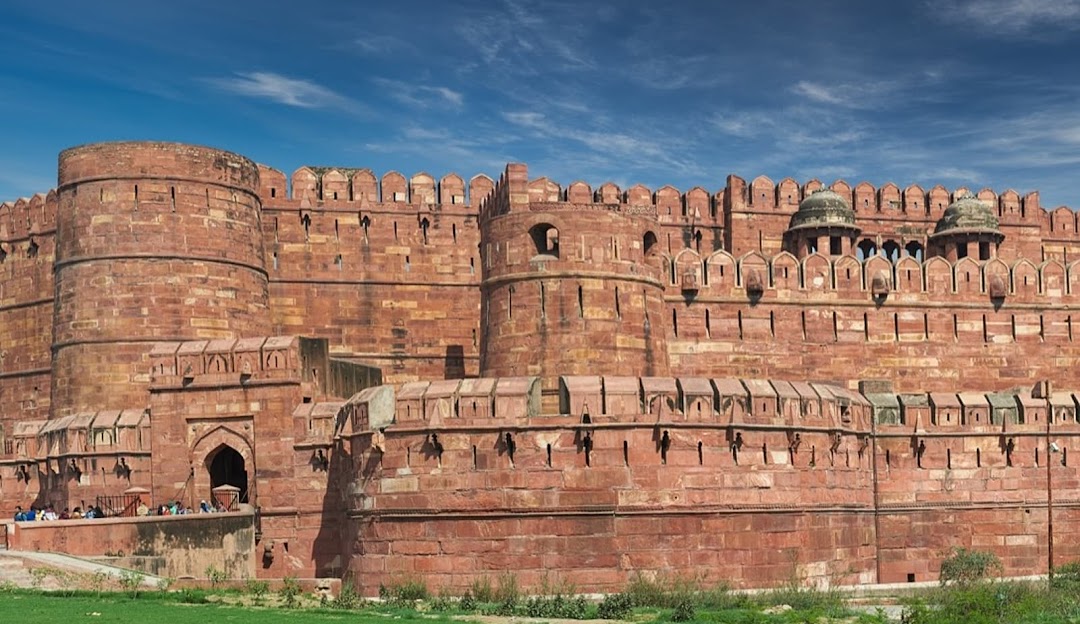
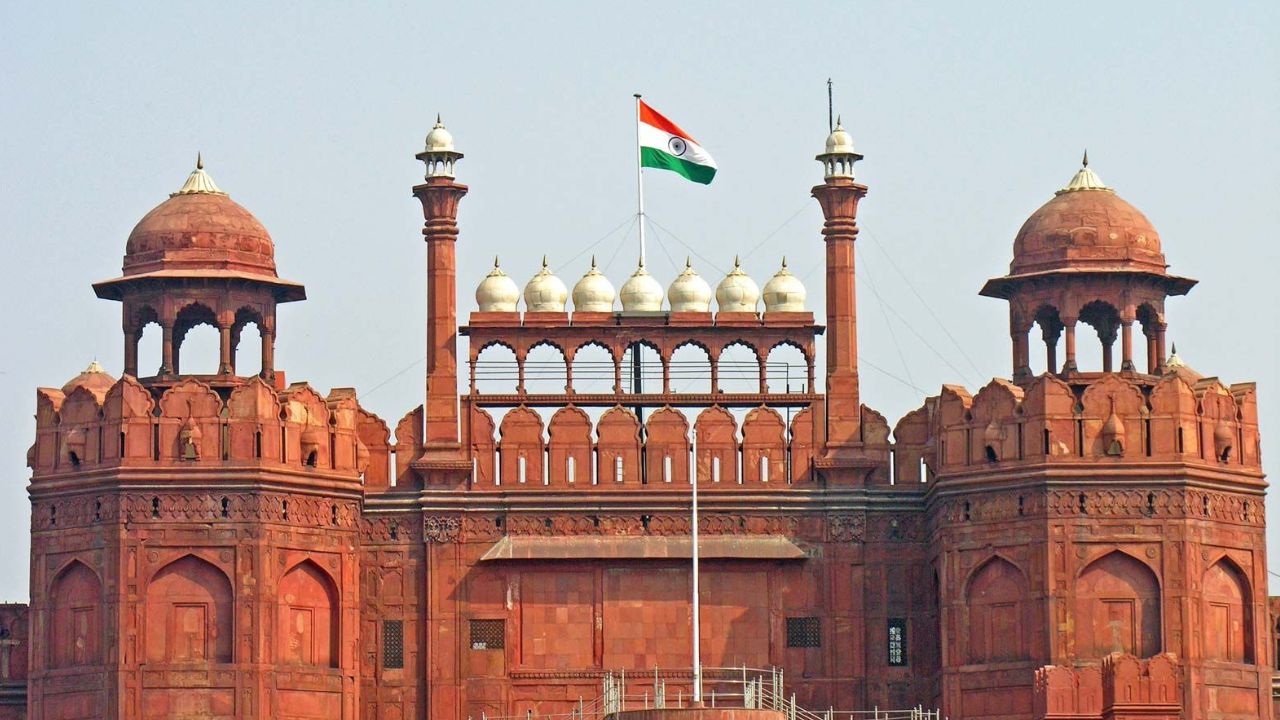
The approach to the Lahori Gate was buzzing with tourists, vendors, and school groups, all heading toward this UNESCO World Heritage Site. The sound of footsteps, camera clicks, and street chatter blended into the heartbeat of Delhi itself.
Crossing through the arched gateway, I found myself in Chatta Chowk, a bazaar that’s been thriving for more than 350 years. The same marketplace where royal ladies once shopped now welcomes travelers from around the world. I paused at a stall selling miniature Mughal paintings — the artist told me, “Every stroke here tells a royal story.”
Through Corridors of Grandeur
Emerging from the market, the fort suddenly opened up into vast courtyards. The Naubat Khana, or Drum House, stood at the entrance to the inner complex. It was once filled with the sound of royal drummers announcing the emperor’s arrival — and though silent now, its aura remains regal.
I followed the path to the Diwan-i-Aam — an elegant pillared hall where the emperor once addressed his people. Standing at the marble throne platform, I could almost imagine Shah Jahan seated there, surrounded by courtiers in silken robes, listening to the petitions of his subjects.
Just beyond lay the Diwan-i-Khas, where private meetings and celebrations took place. The marble pillars, intricate carvings, and delicate pietra dura inlay made it feel like the fort’s beating heart. The reflection of light on white marble gave the place a heavenly glow — and the famous line inscribed there whispered again:
“Gar firdaus bar roo-e zameen ast, hameen ast, hameen ast, hameen ast.” (“If there is a paradise on Earth, it is this, it is this, it is this.”)
Exploring the Royal Quarters
I wandered deeper into the fort — past Rang Mahal, Mumtaz Mahal, and Khas Mahal — each structure beautifully designed, each revealing a new layer of royal life.
The Rang Mahal (Palace of Colors), with its shimmering glass inlays, must have looked like a jewel when lamps were lit at night. The Khas Mahal overlooked a flowing water channel — Nahr-i-Bihisht, or “Stream of Paradise.” The soft sound of water must once have lulled emperors to sleep and cooled the desert heat.
In the Mumtaz Mahal, now a museum, I explored exhibits displaying Mughal jewelry, weapons, and artifacts — tangible pieces of the empire that once ruled most of India.
🇮🇳 From Empire to Independence
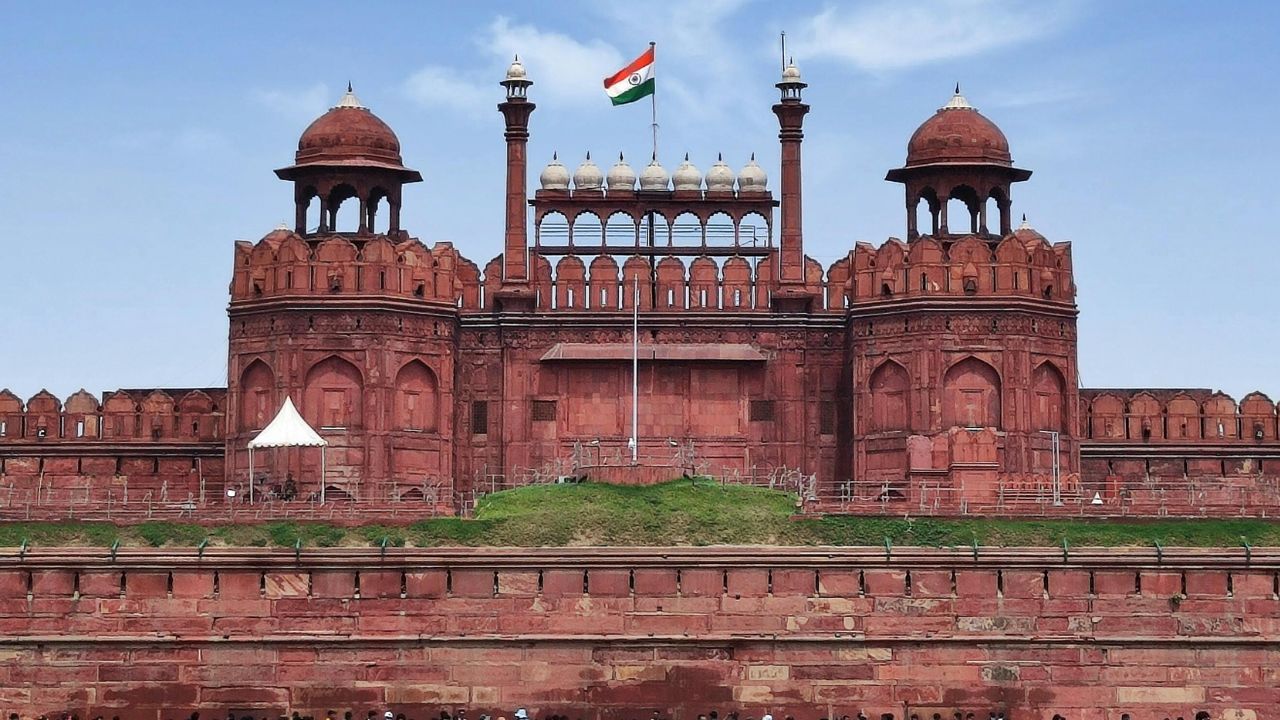
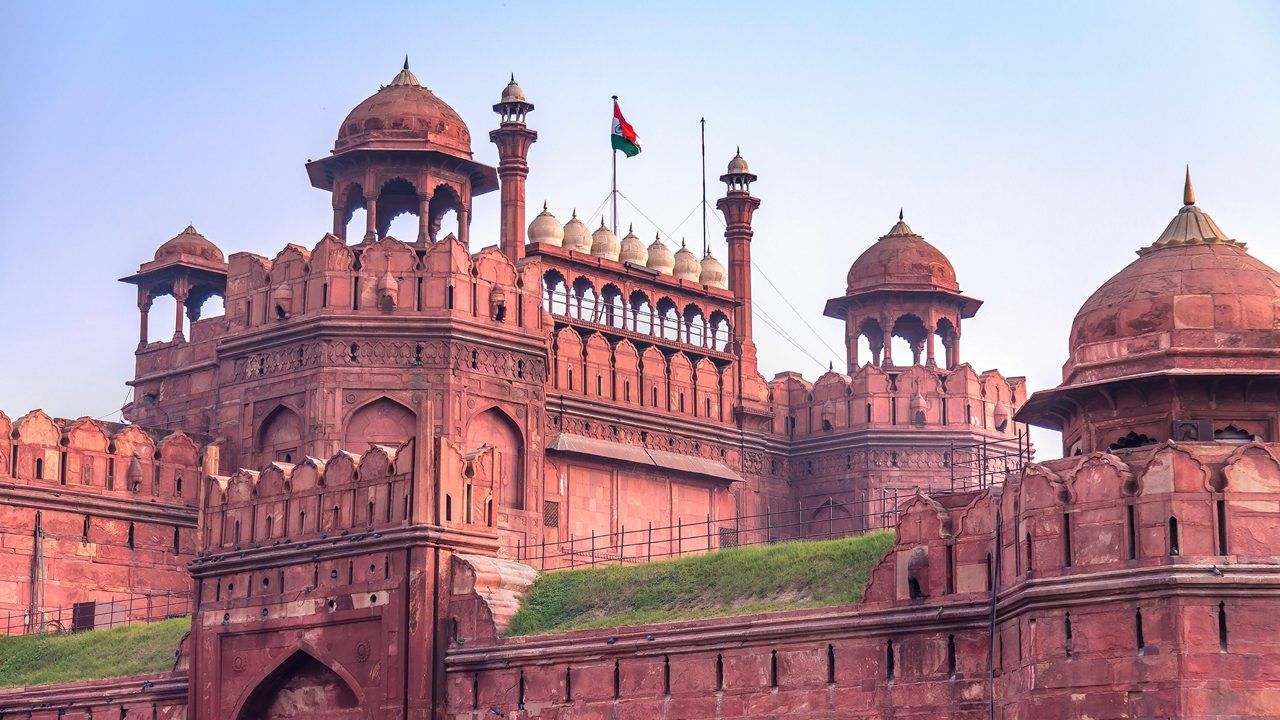
One of the most powerful moments of the day was standing at the spot where **** hoisted independent India’s first national flag on August 15, 1947. Since that day, the Red Fort has become a symbol of freedom and unity.
Every year, the Prime Minister addresses the nation from these very ramparts, keeping alive the memory of our struggle and triumph. As the Indian flag waved in the afternoon breeze, it was impossible not to feel a surge of pride.
🌇 The Fort at Dusk
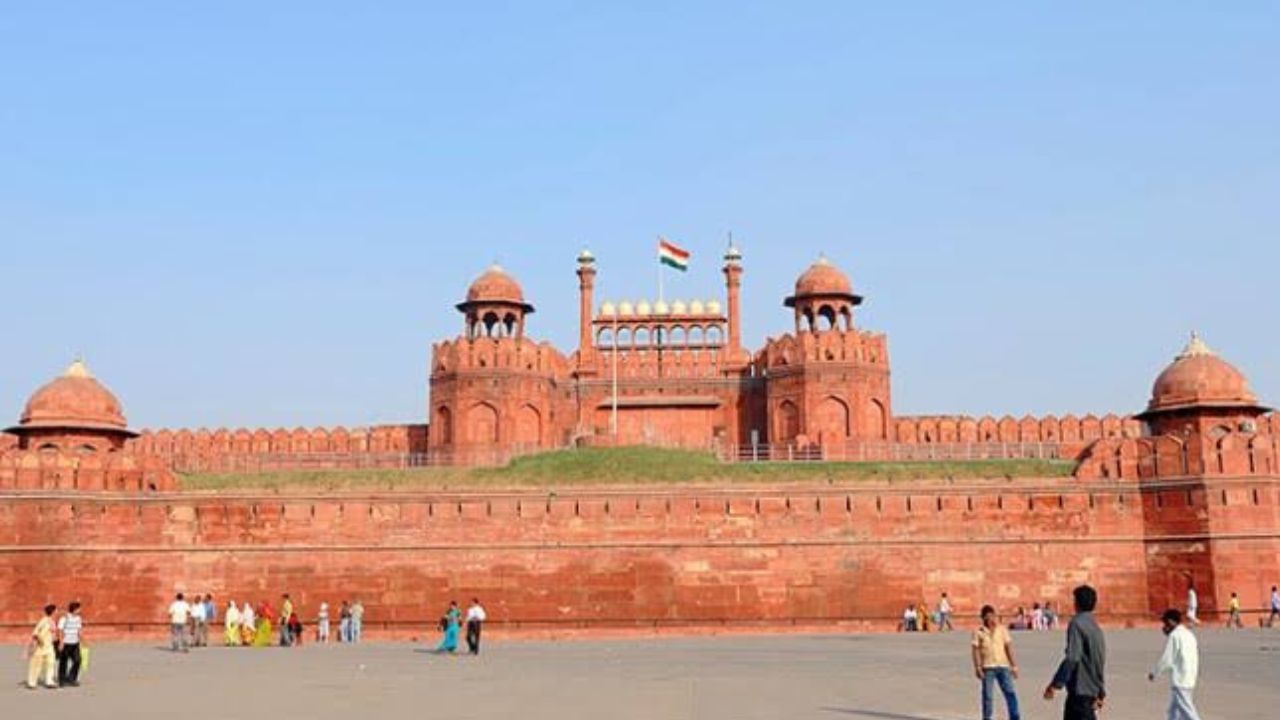
By sunset, the crowds began to thin. The fort’s walls turned from fiery red to deep amber. I climbed up to the ramparts, where the city stretched endlessly — a blend of past and present. The hum of life below felt distant, almost like an echo of centuries blending together.
As darkness fell, I stayed for the Light and Sound Show. The narration, accompanied by music and dramatic lighting, told the story of Delhi’s rise through the ages — from the Mughals to modern India. It was mesmerizing, a perfect end to a day steeped in history.
☕ A Quiet Reflection
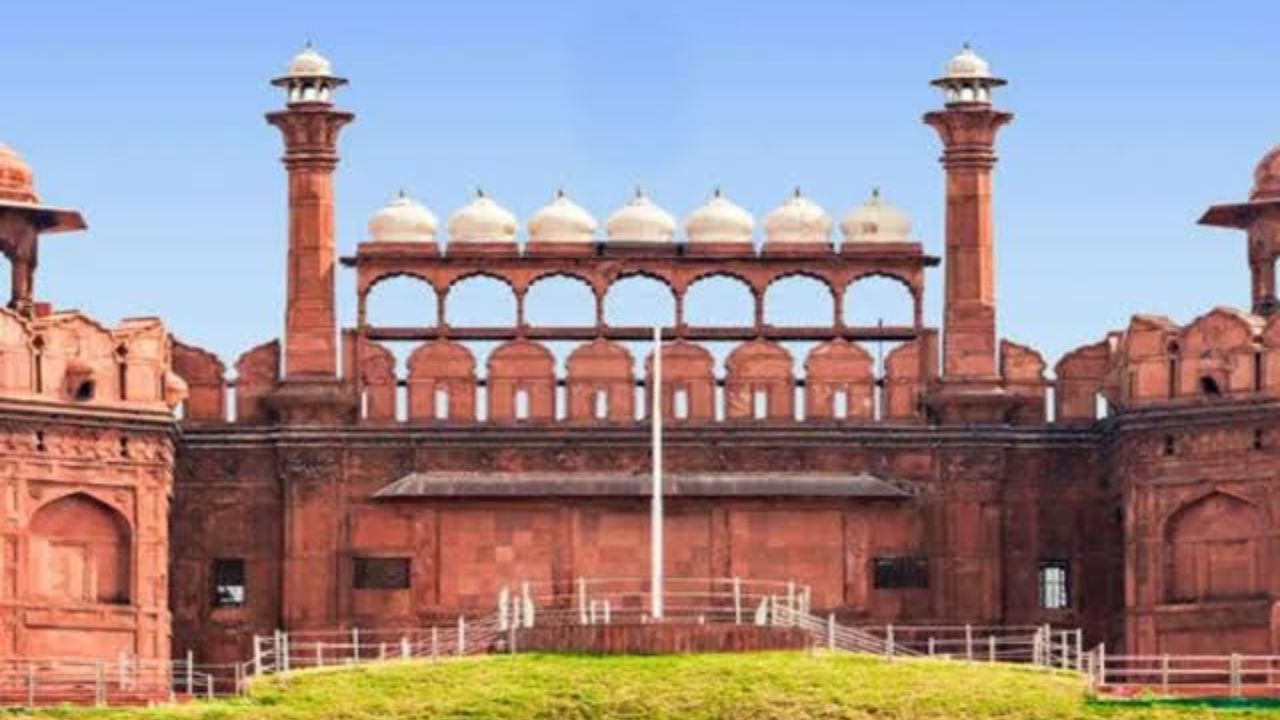
Later, I sat at a small café near the fort, sipping masala chai as night descended fully over Delhi. I thought about how the isn’t just an architectural wonder — it’s a living diary of India. Empires fell, rulers changed, time flowed — yet the fort stands strong, proud, and silent, bearing witness to it all.
📜 Travel Details
· Location: Netaji Subhash Marg, Delhi
· Entry Hours: 9:30 AM – 4:30 PM (Closed Mondays)
· Entry Fee: ₹35 (Indian), ₹500 (Foreigners)
· Best Visit Time: Morning for photography, evening for the light show
🌟 Closing Thoughts
The is more than stone and marble — it is India’s heartbeat carved into architecture. It tells stories of emperors’ dreams, poets’ verses, and a nation’s freedom.
As I walked away under the moonlit sky, I realized — the Red Fort doesn’t belong to history. It belongs to every Indian, past and present. And for anyone visiting Delhi, it’s not just a place to see — it’s a place to feel.