Qutub Minar — Where History Touches the Sky
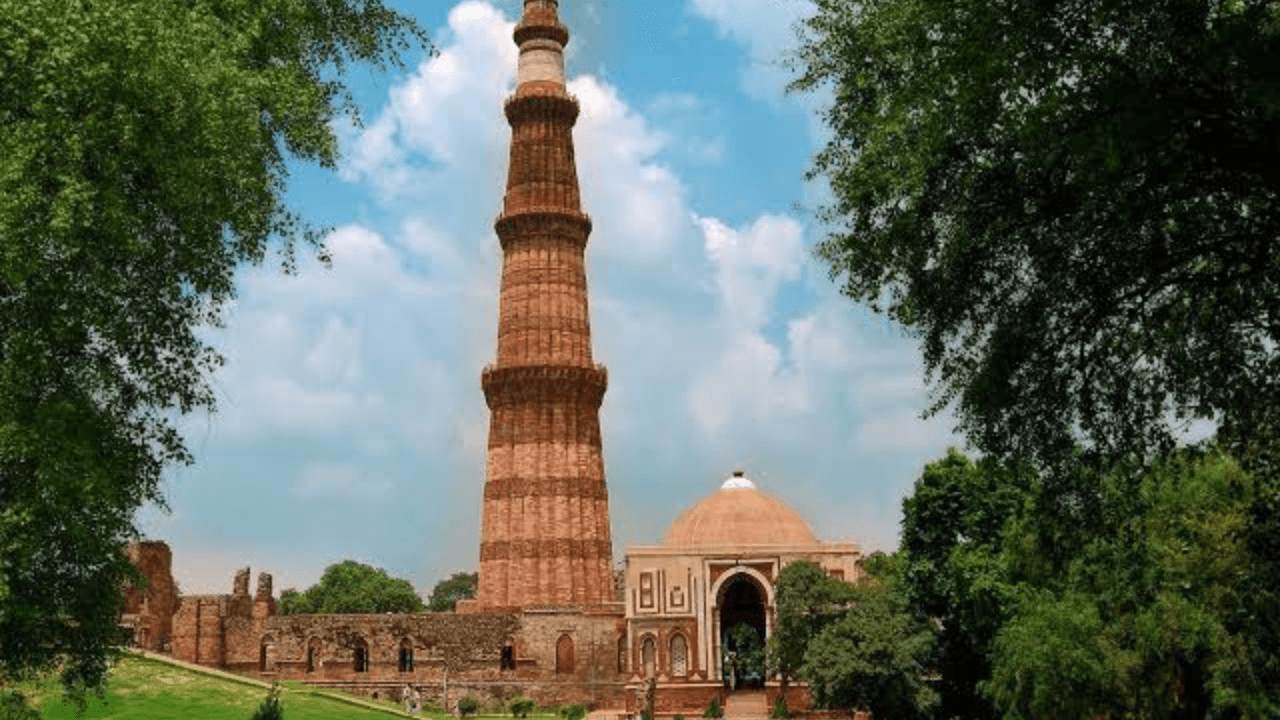
An Epitome of Triumph
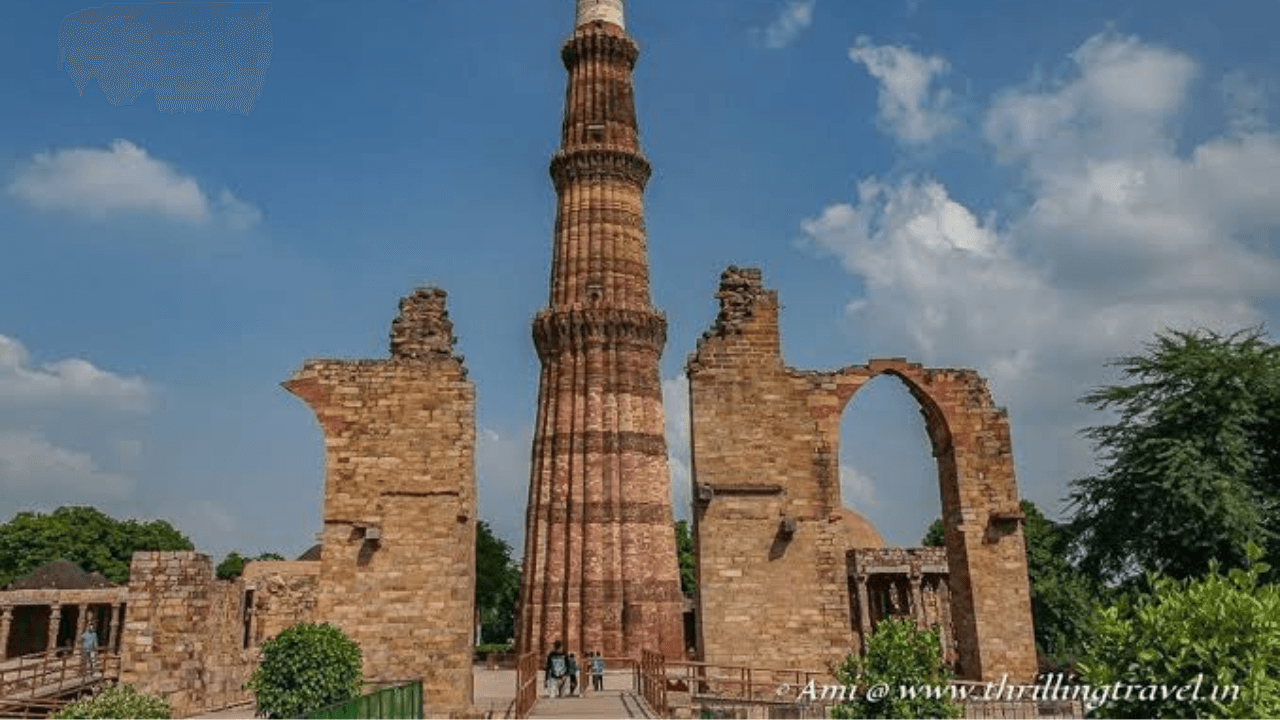
Amid Delhi’s bustling streets and modern skyline, the Qutub Minar pierces the sky with the grace of a bygone age. Built to commemorate the victory of Qutb-ud-din Aibak over the last Hindu kingdom of Delhi, this 12th-century structure stands as a declaration of power and the dawn of a new era in India’s architectural history.
Its name — Qutub Minar — translates to “Axis of the World,” an apt title for a monument that has watched centuries turn like pages of a timeless book.
A Marvel of Design and Craft
Qutub Minar’s cylindrical form, fluted with alternating angular and circular sections, represents the brilliance of early Afghan architecture merged with local artistry. Each story is marked by a projecting balcony, while detailed carvings of Quranic inscriptions and arabesque patterns reflect the spiritual devotion and skill of artisans from centuries past.
At its base lies an inscription crediting Aibak, but as one’s gaze rises upward, layers of history unfold — from Iltutmish’s elegant additions to Firoz Shah’s restoration after lightning struck the tower.
Legends and Mysteries
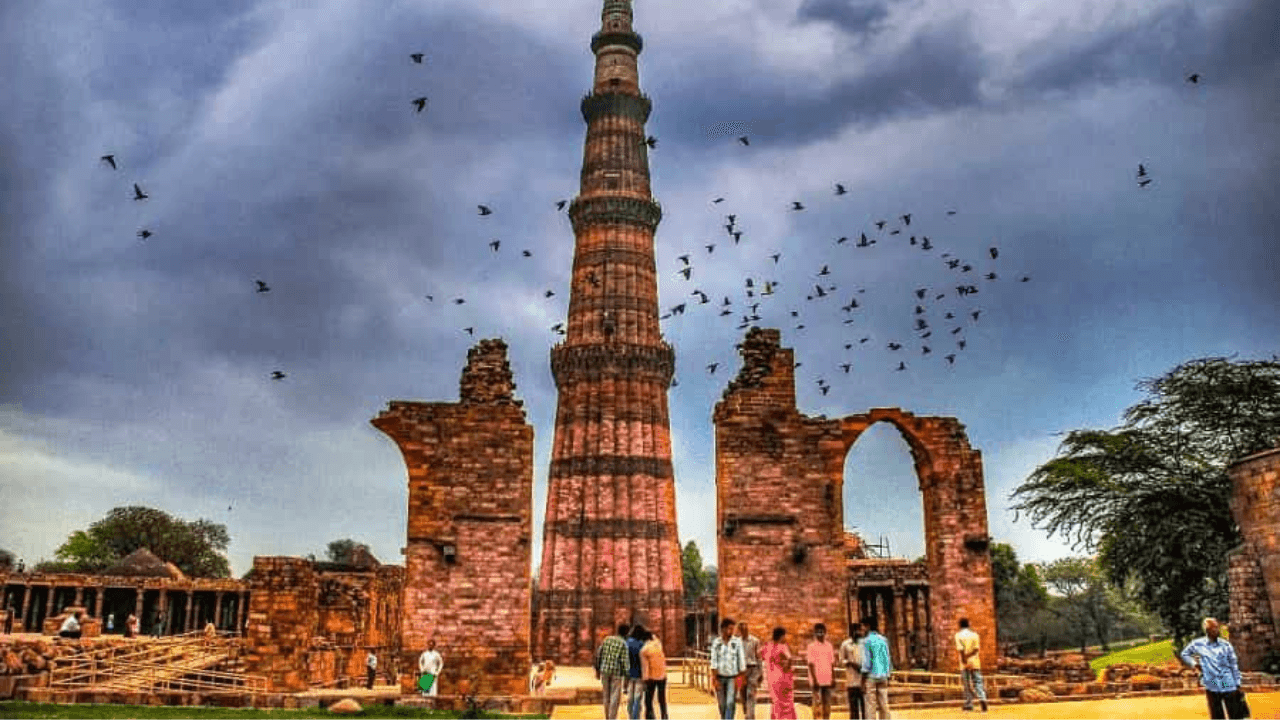
Every great monument carries a touch of mystery — and Qutub Minar is no exception. Some historians believe it served as a minar of victory, while others argue it was used for the muezzin’s call to prayer. Myths even suggest that the Iron Pillar within the complex, older than the Minar itself, grants good fortune to anyone who can encircle it with their arms — though today, that practice is restricted to preserve the artifact.
The Modern Glow
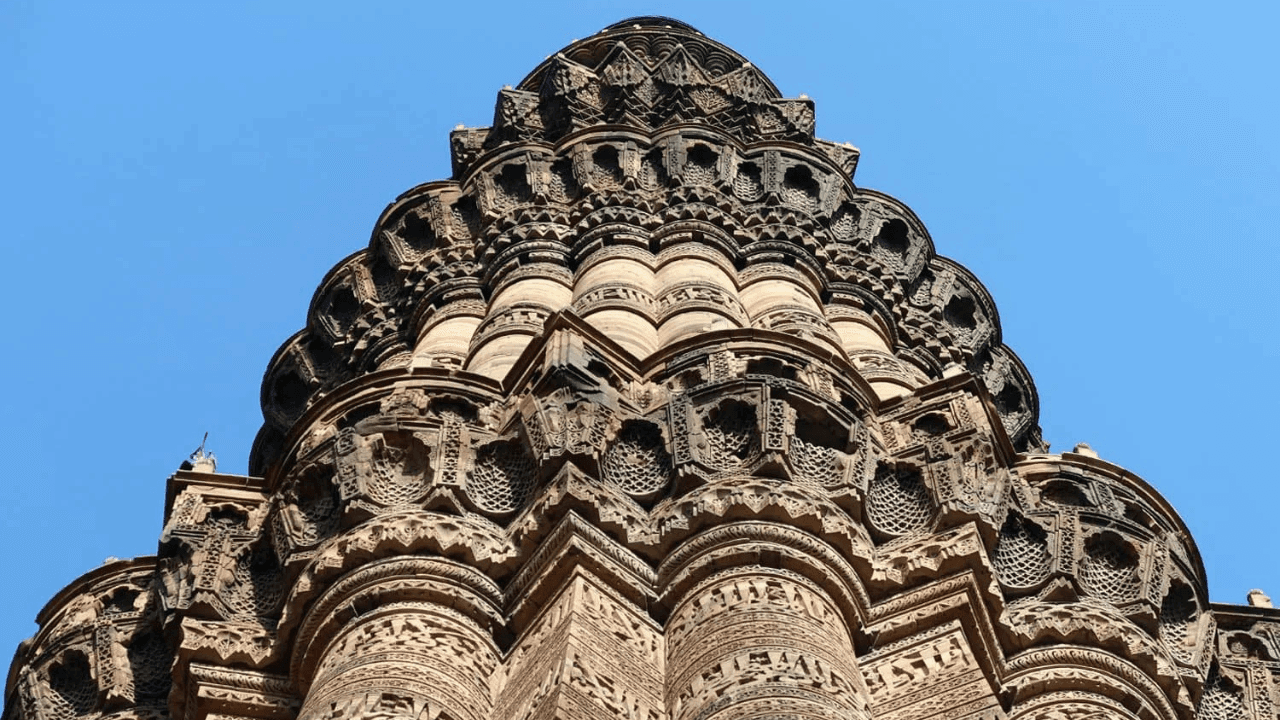
At sunset, the Qutub Minar bathes in golden light, its sandstone glowing like fire against the evening sky. Tourists gather in awe, cameras flashing, as the call of history echoes through the arches. By night, when illuminated, the tower becomes a silent storyteller — narrating tales of dynasties, devotion, and design brilliance.
Qutub Minar stands not just as a monument but as a living chronicle of Delhi — a place where ancient whispers still dance in the wind, and where every brick speaks of time eternal.