Ayodhya — Where Faith Meets Modern India
Cultural Heritage
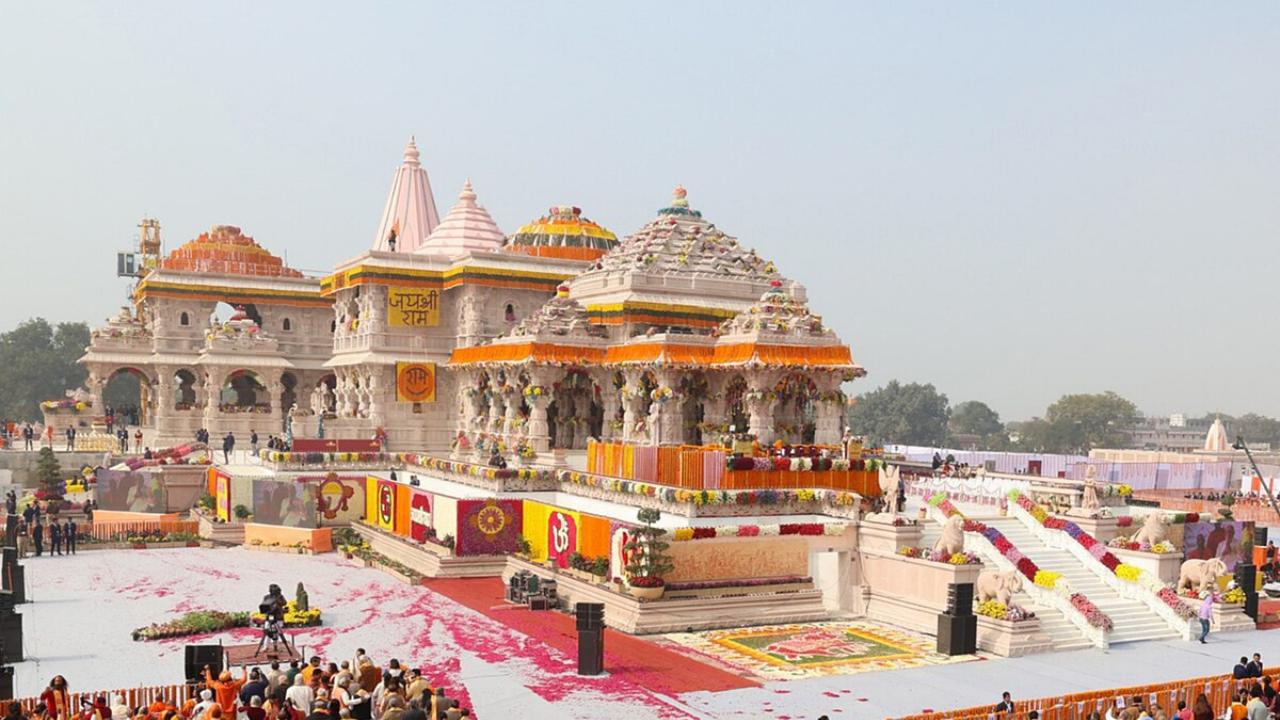
Home to countless temples, ghats, and shrines, Ayodhya has always been the beating heart of Hindu faith. The recitations of the Ramayana, chants of “Jai Shri Ram,” and grand processions during festivals fill the city with divine energy. Yet, amidst the echoes of faith, Ayodhya also preserves art, dance, music, and ancient storytelling traditions that reflect India’s rich cultural tapestry.
The Ram Mandir: A Symbol of Unity
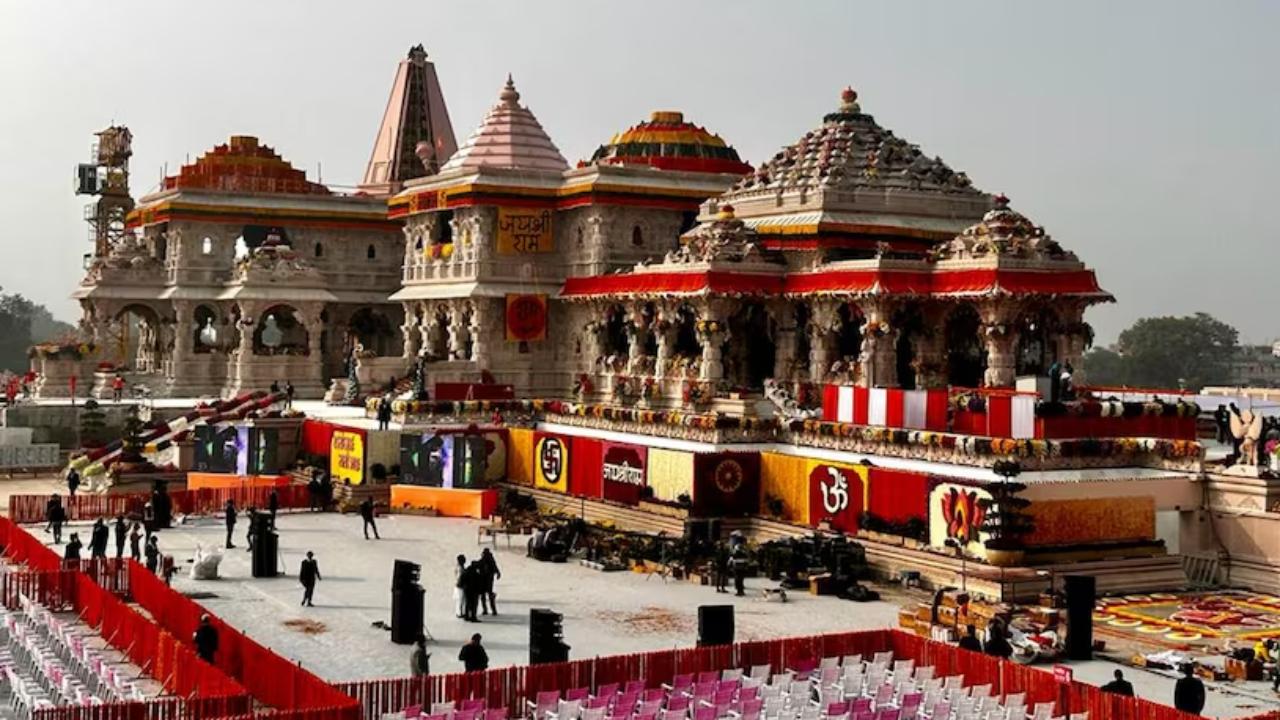
The newly constructed Shri Ram Mandir is more than an architectural wonder — it represents the spiritual unification of millions. The temple’s magnificent design, adorned with intricate carvings and Vedic artistry, stands as a proud testament to India’s devotion and resilience. Its completion has turned Ayodhya into a global destination of faith and harmony.
Tourism and Development
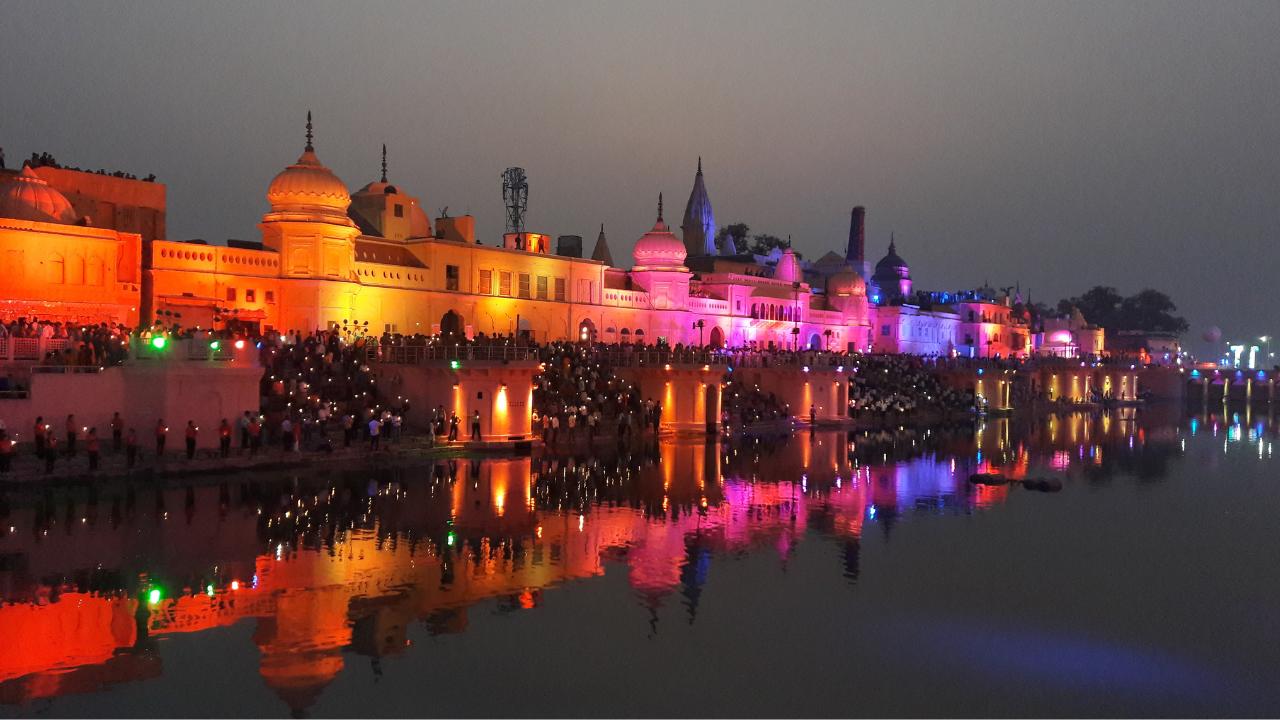
The Indian government’s efforts to develop Ayodhya into a world-class heritage city have brought massive infrastructural improvements — from the grand Ayodhya Dham Railway Station to a modern airport, green spaces, and sustainable tourism initiatives. Pilgrims and travelers now find a city that honors its past while embracing the future.
Festivals and Celebrations
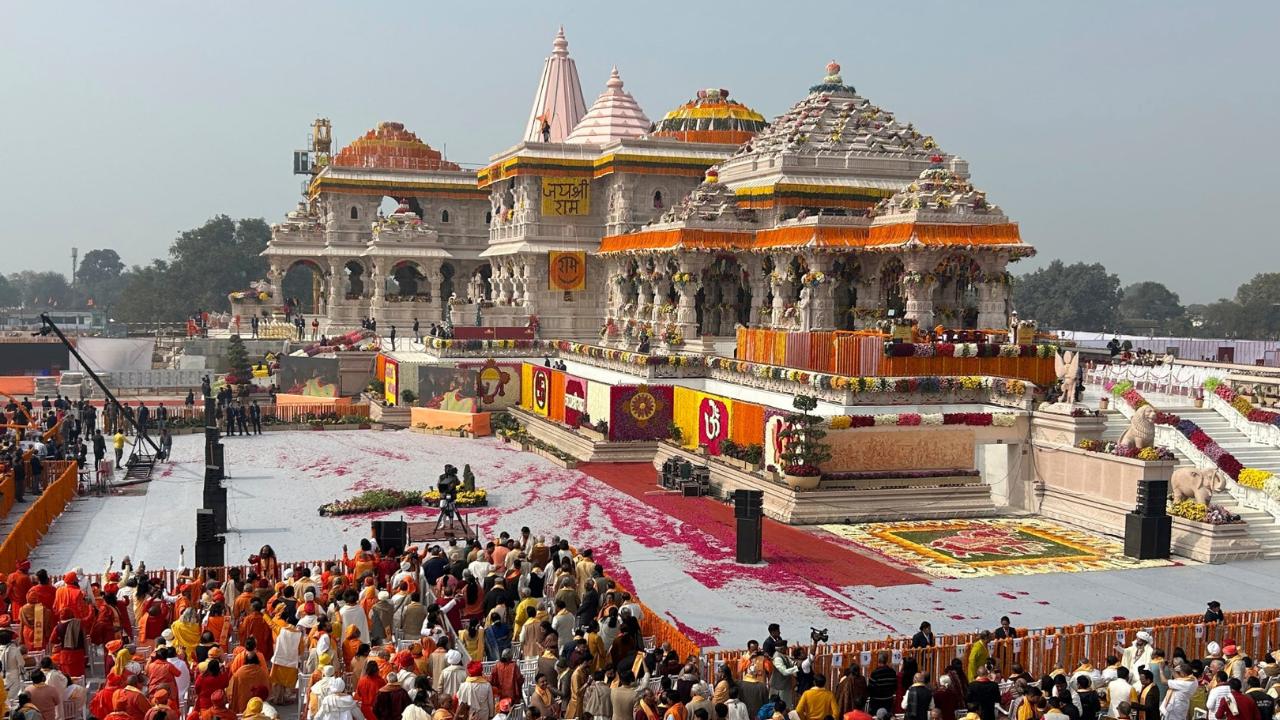
The annual Deepotsav of Ayodhya, where millions of lamps illuminate the Sarayu River, has become an international attraction. The mesmerizing view of light, music, and devotion symbolizes the triumph of good over evil and the eternal message of the Ramayana.
Ayodhya’s Future
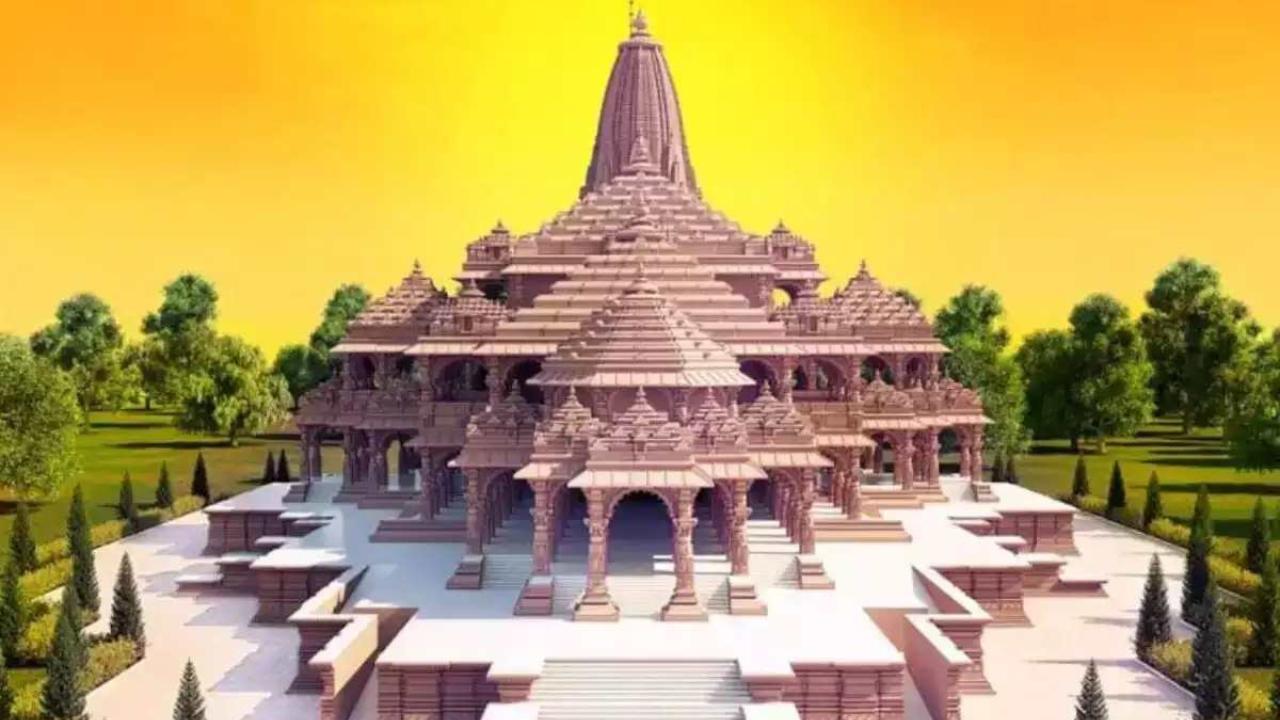
Ayodhya is poised to be not just a spiritual hub but also a cultural and economic center. The city’s transformation is setting a model for how heritage conservation and modern urban planning can coexist beautifully.
Conclusion
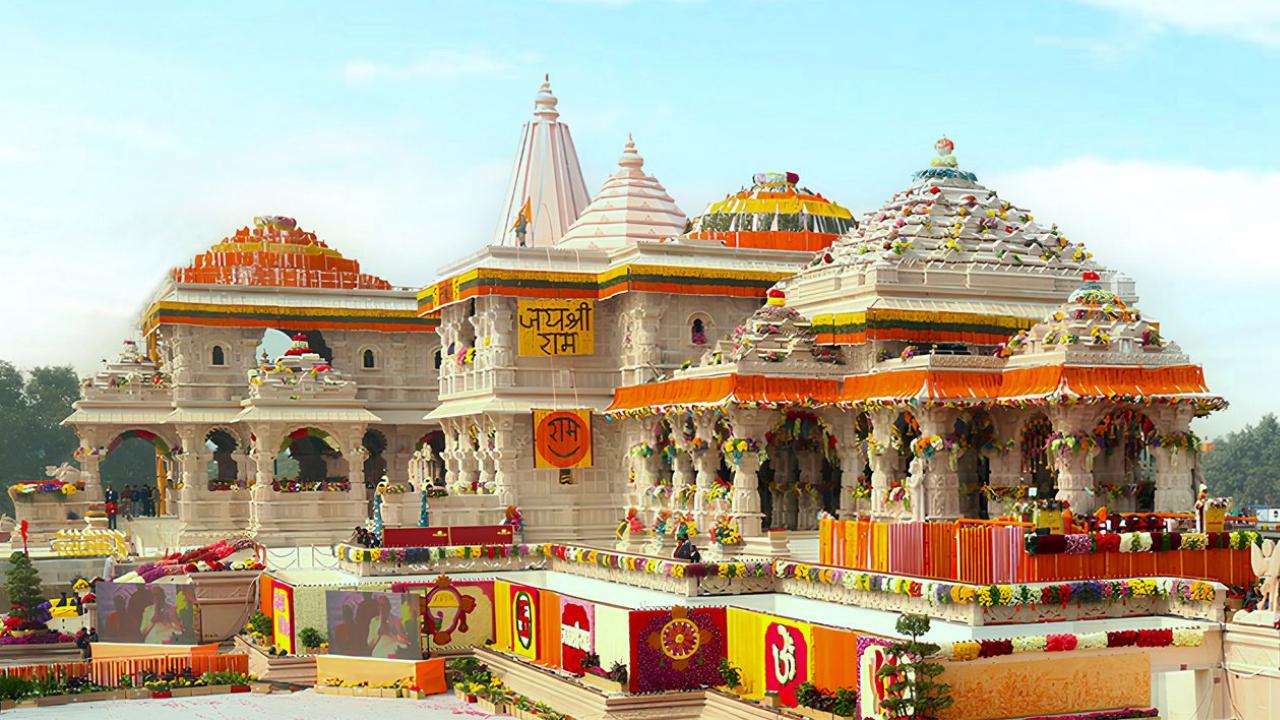
In Ayodhya, faith is not confined to temples — it lives in every street, every chant, and every heart that visits. The city is no longer just a chapter from mythology; it is a vibrant, living canvas where India’s soul meets its future.