The Sacred City of Ayodhya — Cradle of Faith and History
Historical Background
The history of Ayodhya dates back to ancient times and is deeply rooted in the Ramayana, one of India’s greatest epics. According to the scriptures, Ayodhya was the capital of the Kosala Kingdom ruled by King Dasharatha, the father of Lord Rama. The city’s grandeur and prosperity during this period made it known as a model of ideal governance and moral righteousness.
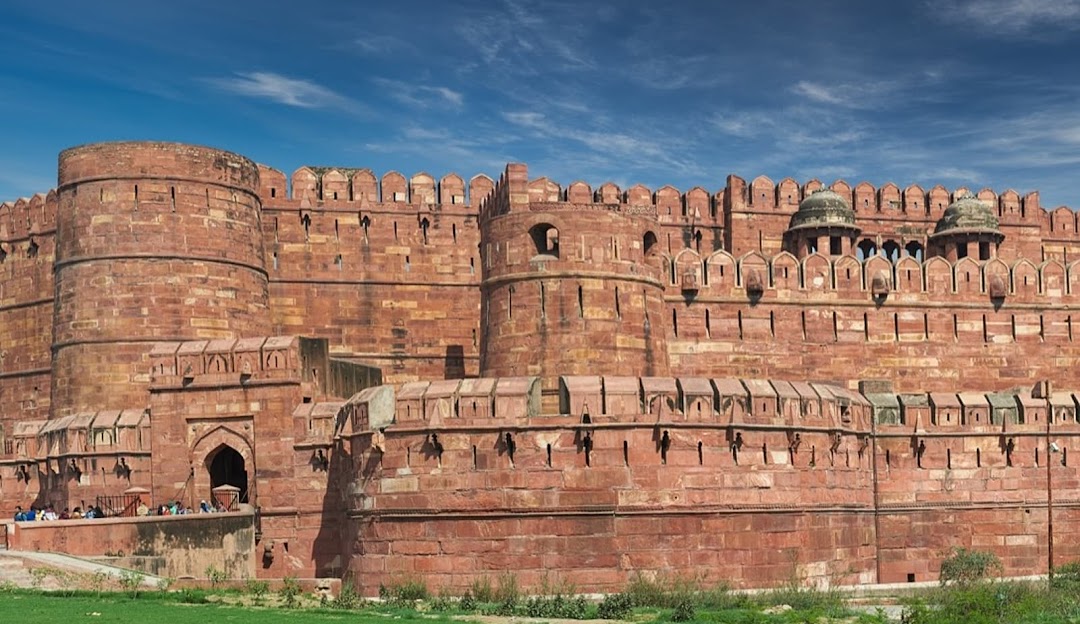
Over centuries, Ayodhya witnessed the rise and fall of various dynasties — from the Mauryas and Guptas to the Mughals and the British. Each era left its own mark, shaping Ayodhya into the cultural mosaic it is today.
Religious Importance
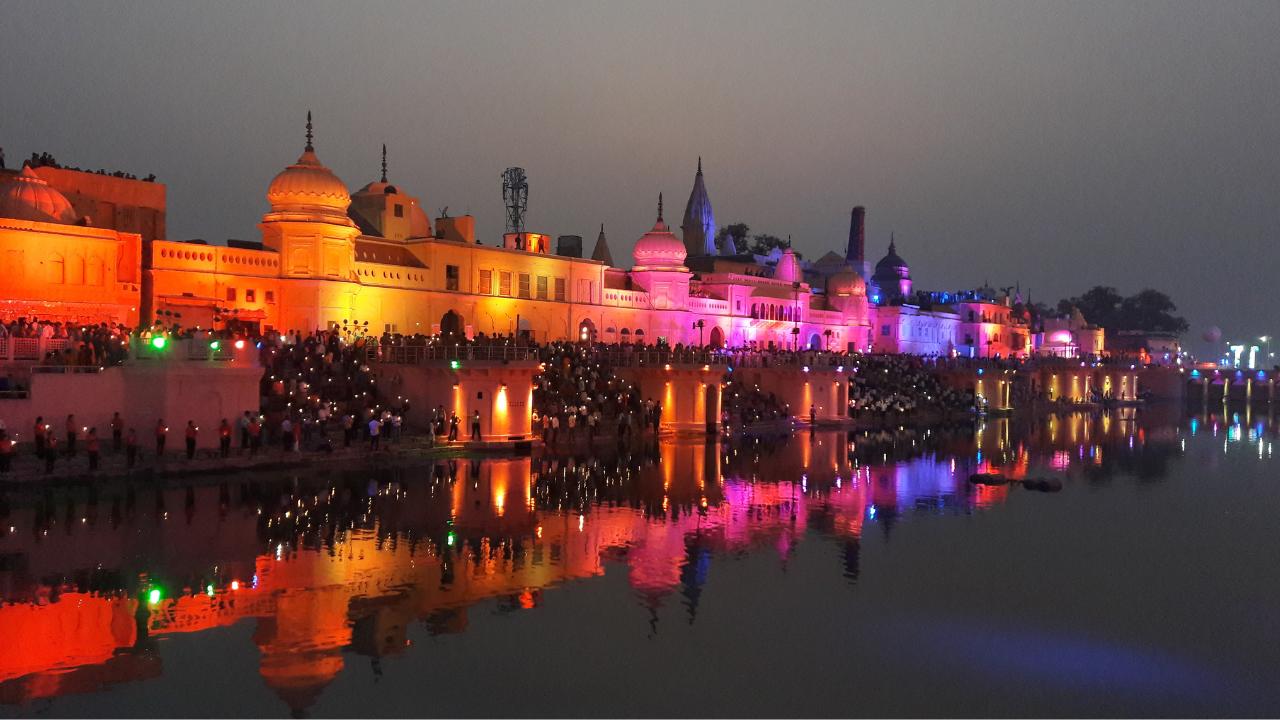
Ayodhya is counted among the seven most sacred cities (Sapta Puri) in Hinduism. Pilgrims from across India visit to pay homage at temples dedicated to Lord Rama, Hanuman, and other deities. The city’s spiritual aura is heightened during festivals like Ram Navami, when millions gather to celebrate the birth of Lord Rama.
Architectural Beauty
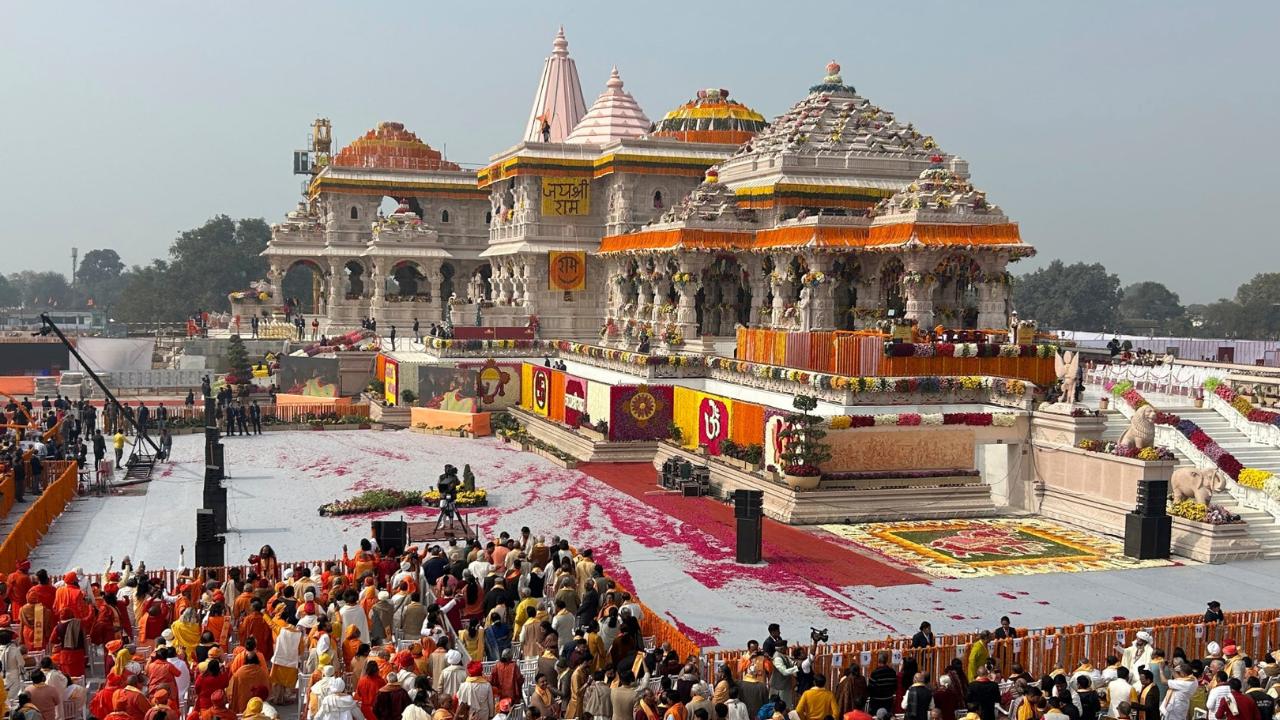
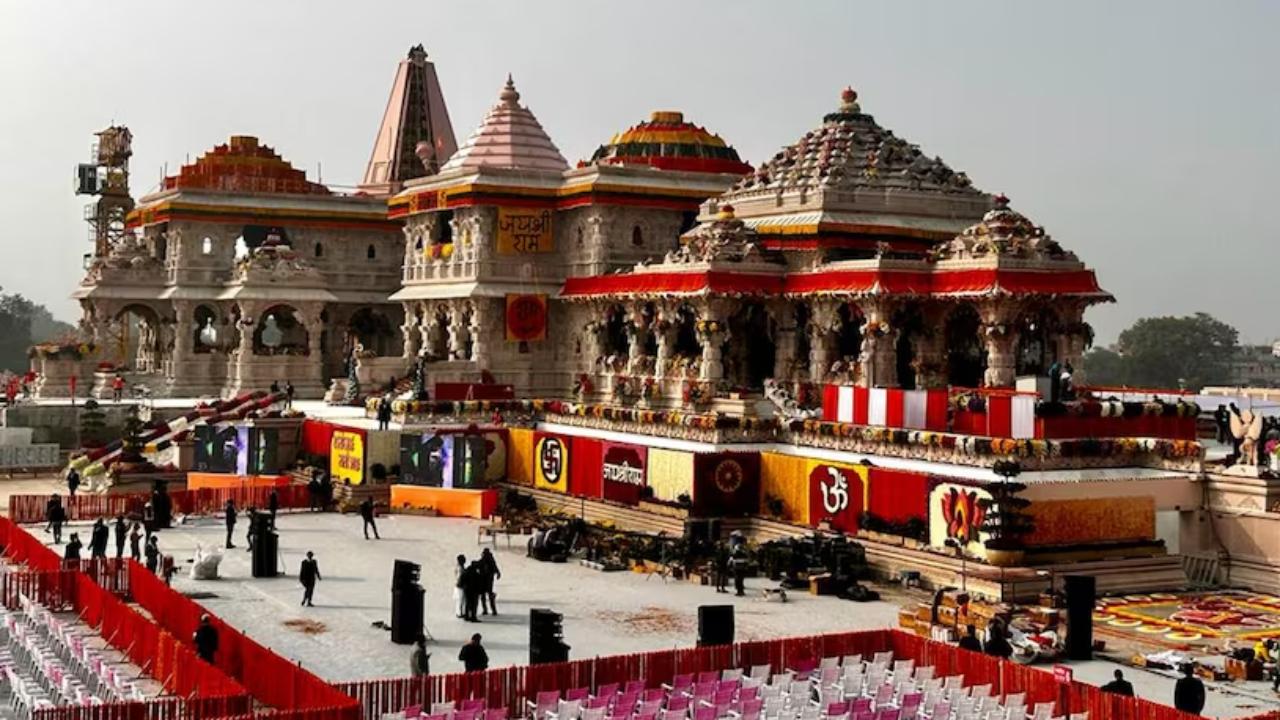
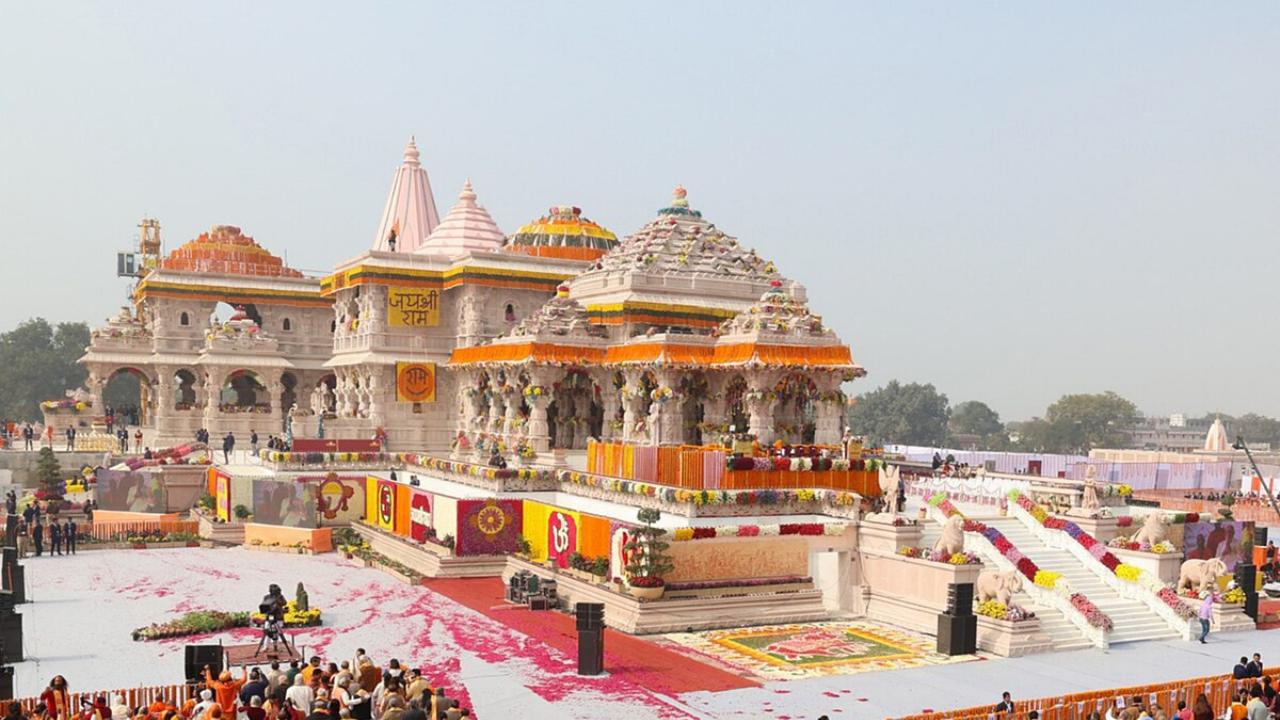
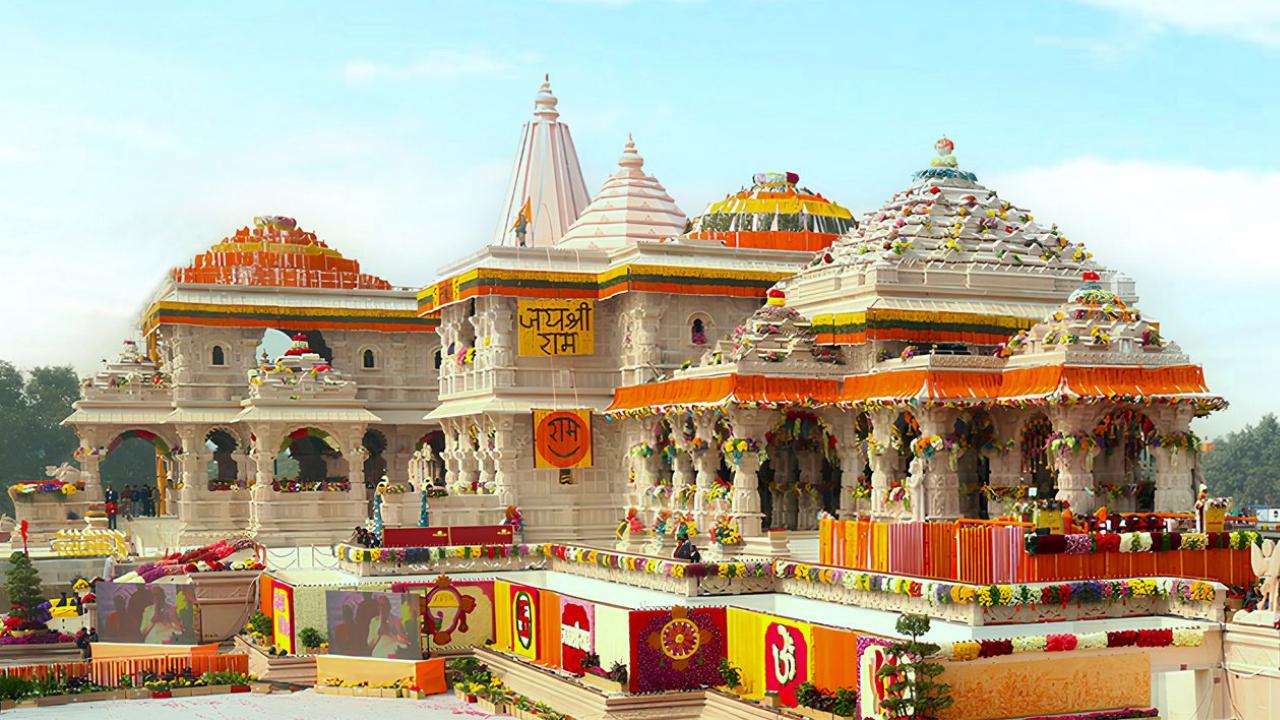
The city boasts a blend of ancient temples and modern marvels. The Ram Mandir, under construction at the Ram Janmabhoomi site, stands as a monumental symbol of faith, unity, and cultural pride. Alongside it are iconic sites like Hanuman Garhi, Kanak Bhavan, and Nageshwarnath Temple, each narrating stories of devotion and legacy.
Ayodhya Today

Modern Ayodhya is evolving as a global spiritual and heritage destination. With improved infrastructure, tourism facilities, and cultural festivals, it is bridging its glorious past with a promising future. The city is not just a pilgrimage site — it’s a living testament to India’s timeless spirit.
Conclusion
Ayodhya remains a sacred confluence of faith, history, and culture. Whether you’re a pilgrim seeking spiritual peace or a traveler exploring India’s ancient roots, Ayodhya offers an experience that transcends time and belief.