🌺 Taj Mahal: The White Marble Wonder That Tells a Love Story Beyond Time
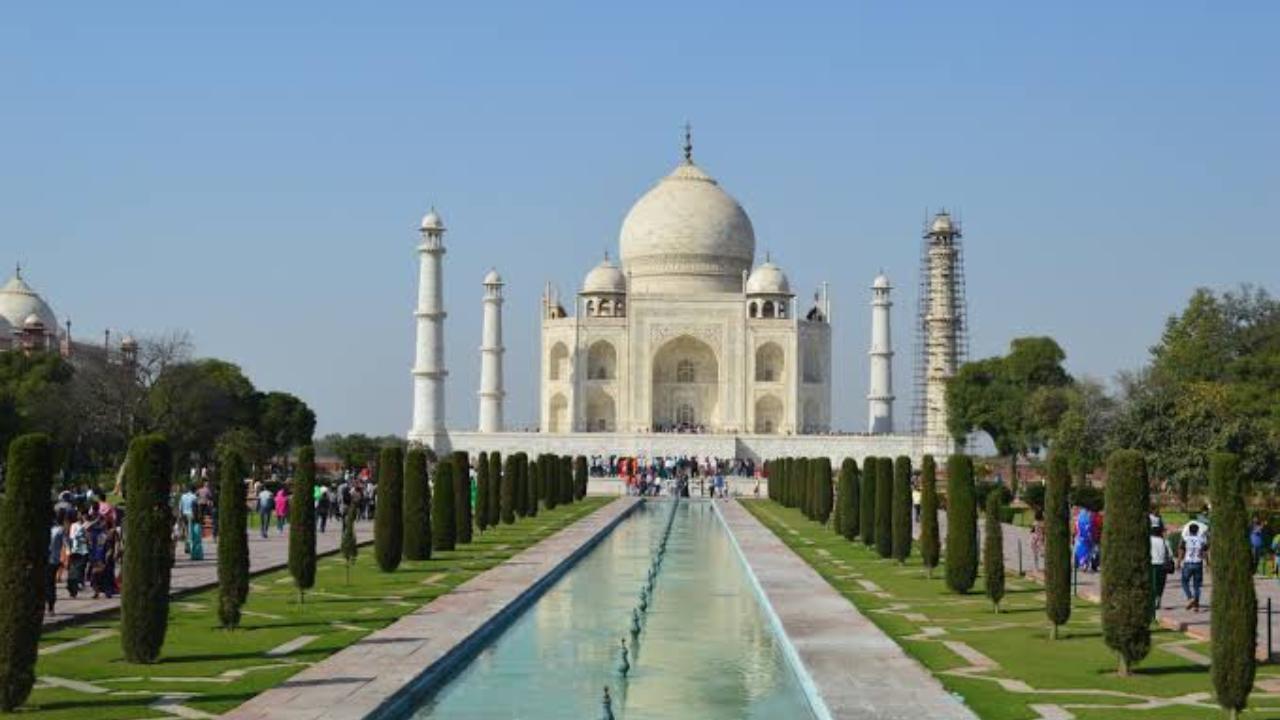
💖 The Story That Started It All
In the 17th century, India flourished under the Mughal Empire. Among its emperors, one name shone brighter than the rest — Shah Jahan, known for his deep appreciation of art and beauty. But behind his royal strength was a tender heart that belonged entirely to one woman — Mumtaz Mahal, his beloved wife.
Mumtaz was not only stunningly beautiful but also kind, wise, and gentle. She was Shah Jahan’s trusted companion and confidante, accompanying him even during battles. In 1631, tragedy struck when Mumtaz died during childbirth, leaving the emperor heartbroken. Out of his grief was born the dream of a monument so beautiful that it would keep her memory alive forever — and that dream became the Taj Mahal.
🏗️ Building an Eternal Dream
The construction of the Taj Mahal began in 1632 and took 22 years to complete. Over 20,000 artisans, architects, and laborers worked day and night under the guidance of Ustad Ahmad Lahauri, the chief architect. Craftsmen from India, Persia, Turkey, and Central Asia were invited to contribute their skills to this grand project.
The emperor spared no expense. The finest white marble came from Makrana in Rajasthan, while precious stones like turquoise, jade, sapphire, lapis lazuli, crystal, and amethyst were sourced from across the world. It is said that when the monument was completed, Shah Jahan gazed upon it and wept — for he realized that no amount of beauty could bring back the love he had lost.
🕍 The Architecture That Defies Time
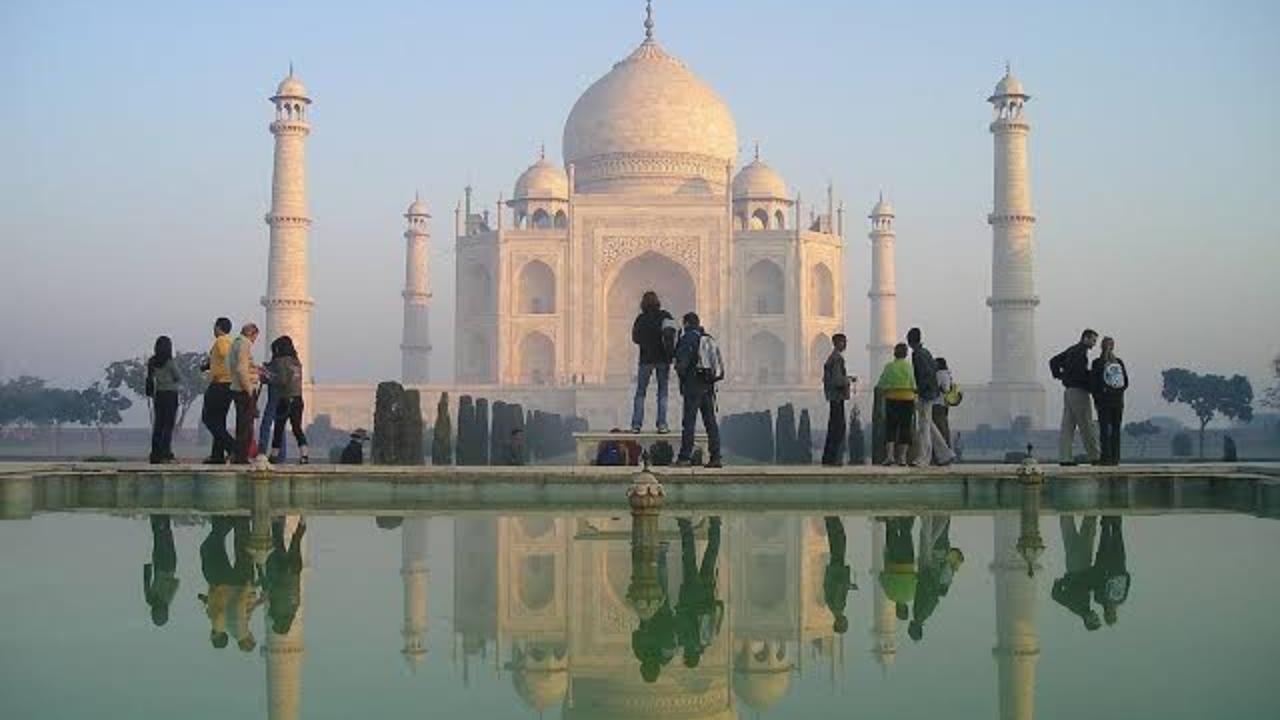
The Taj Mahal is a perfect example of symmetry and balance. Every detail — from the shape of its minarets to the carving of its flowers — is a reflection of precision and harmony.
✨ The Dome
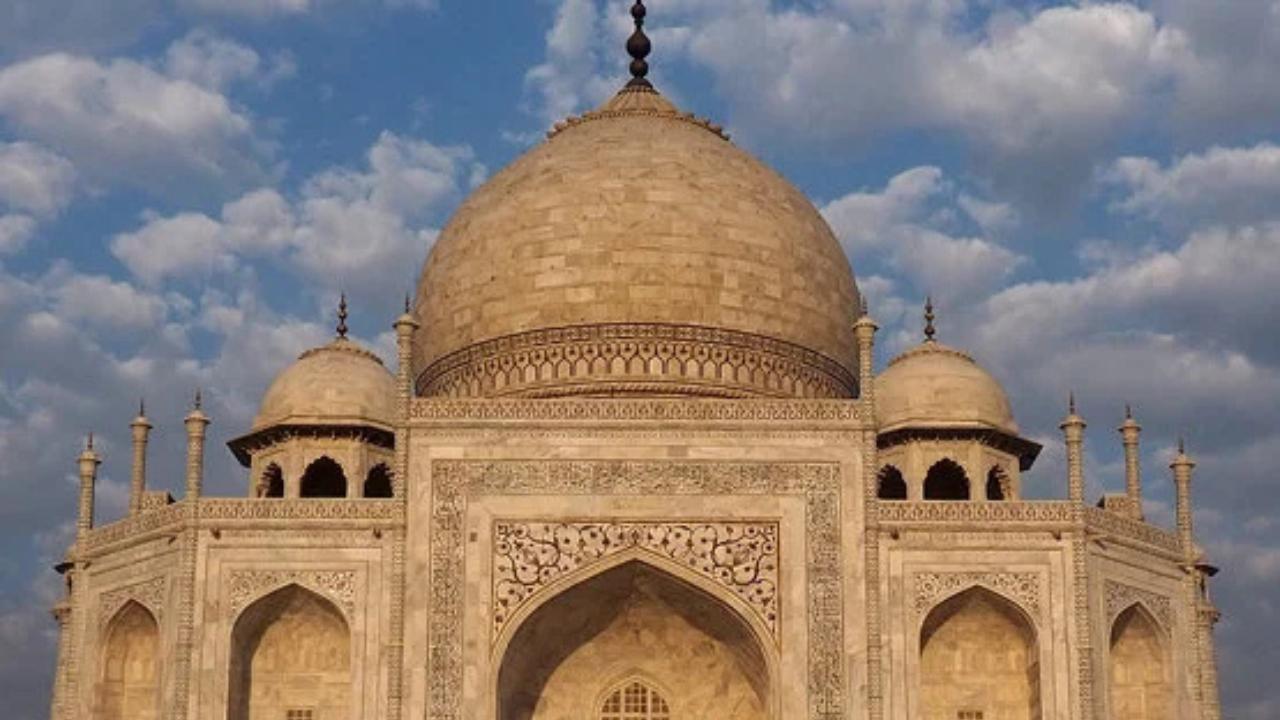
The massive central dome, rising to about 73 meters (240 feet), dominates the skyline of Agra. It glows differently at different times of the day — pinkish at dawn, milky white under the sun, and golden under the moonlight, symbolizing the moods of Mumtaz herself.
🌿 The Gardens
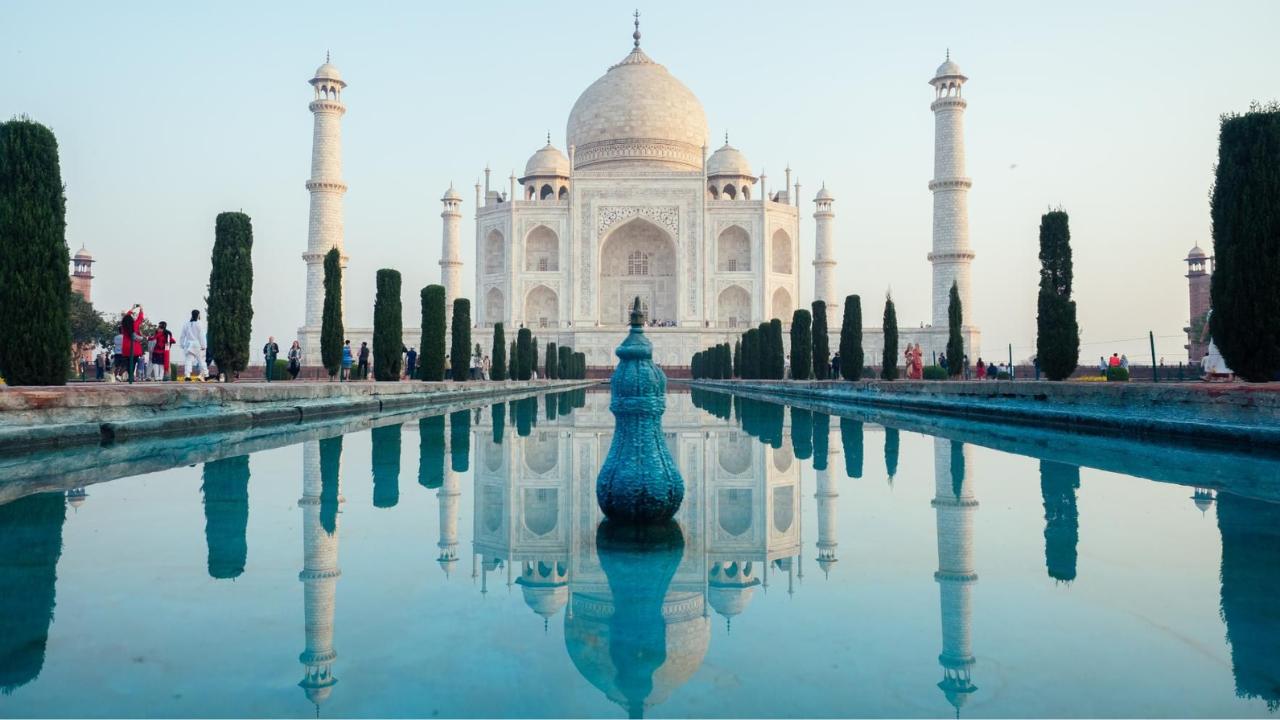
The surrounding Charbagh gardens (meaning “four gardens”) are designed in the Persian style, symbolizing the Islamic idea of paradise. Divided by four water channels, they represent the four rivers of heaven — water, milk, honey, and wine.
🕌 The Mosque and Guest House
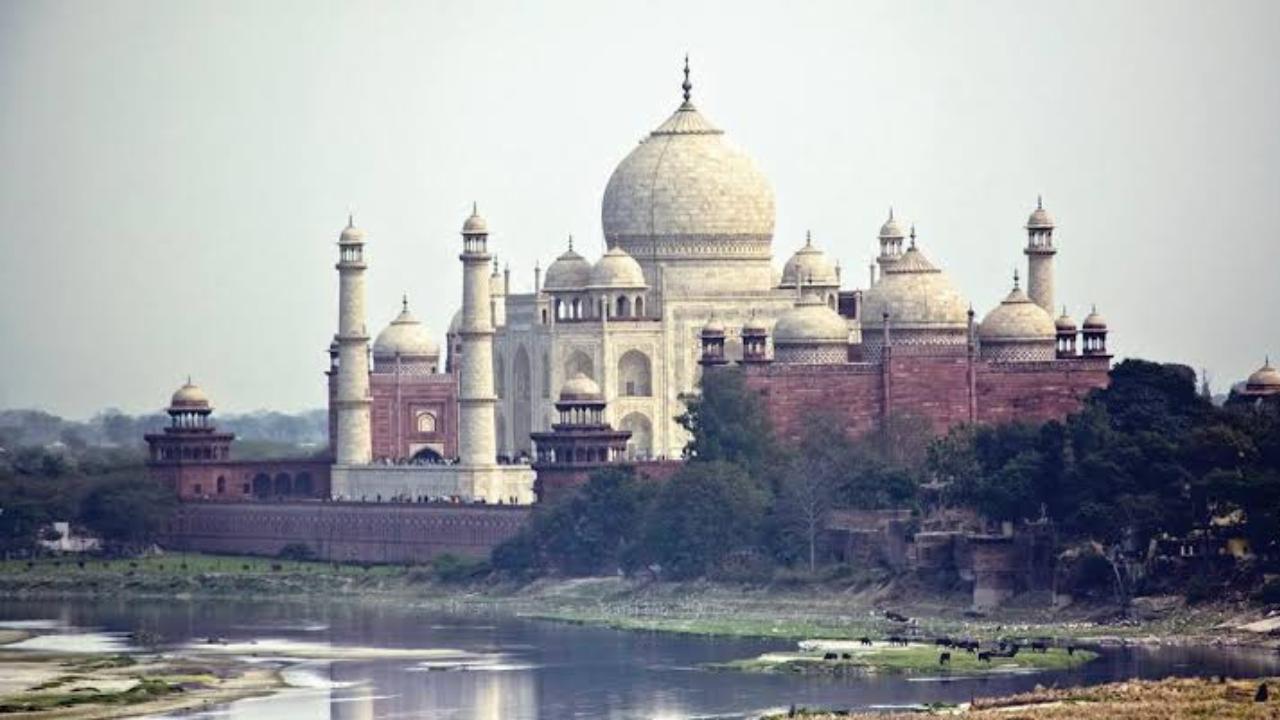
To the west lies a red sandstone mosque, and to the east, a guest house (known as the Jawab). Together, they maintain the perfect symmetry of the entire complex.
💎 The Decorations
The marble walls are inlaid with pietra dura — an art form involving the inlay of colored stones to form intricate floral and geometric patterns. Each flower carved on the wall is unique, ensuring no two designs are ever the same.
🧡 A Monument of Love and Loss
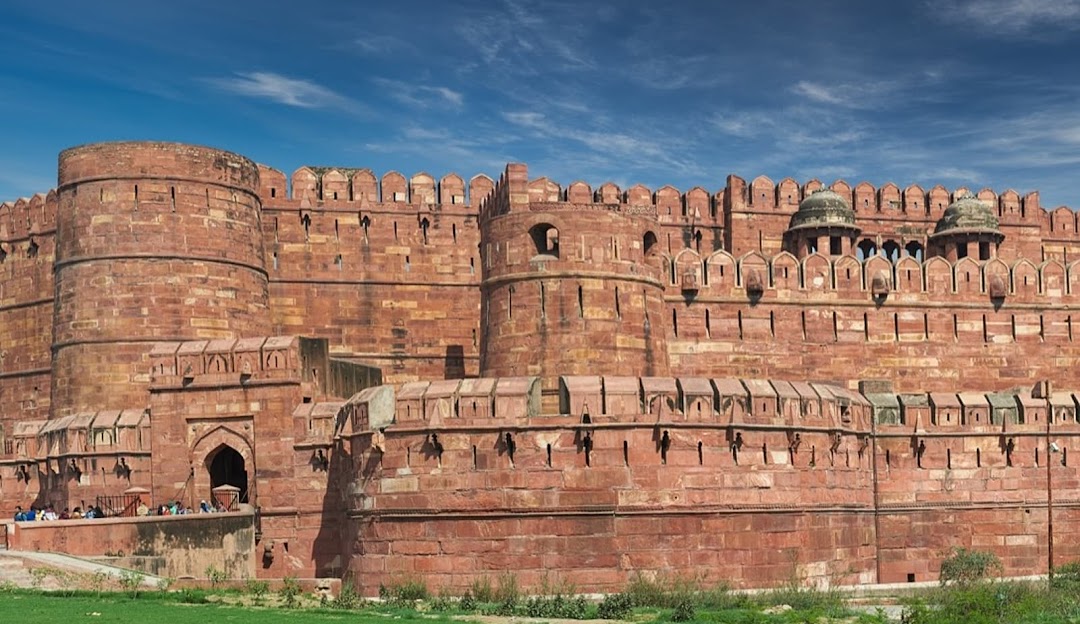
Beyond its architectural beauty, the Taj Mahal represents a story of undying love and impermanence. When Shah Jahan was later overthrown by his own son, Aurangzeb, he was imprisoned in Agra Fort, where he could see the Taj Mahal from a small window — the resting place of his beloved Mumtaz. He spent his final years gazing at the monument, waiting for the day he would join her in eternal rest.
In 1666, Shah Jahan passed away, and his remains were buried beside Mumtaz Mahal, uniting them forever beneath the marble dome they inspired.
🌏 The Taj Mahal Today
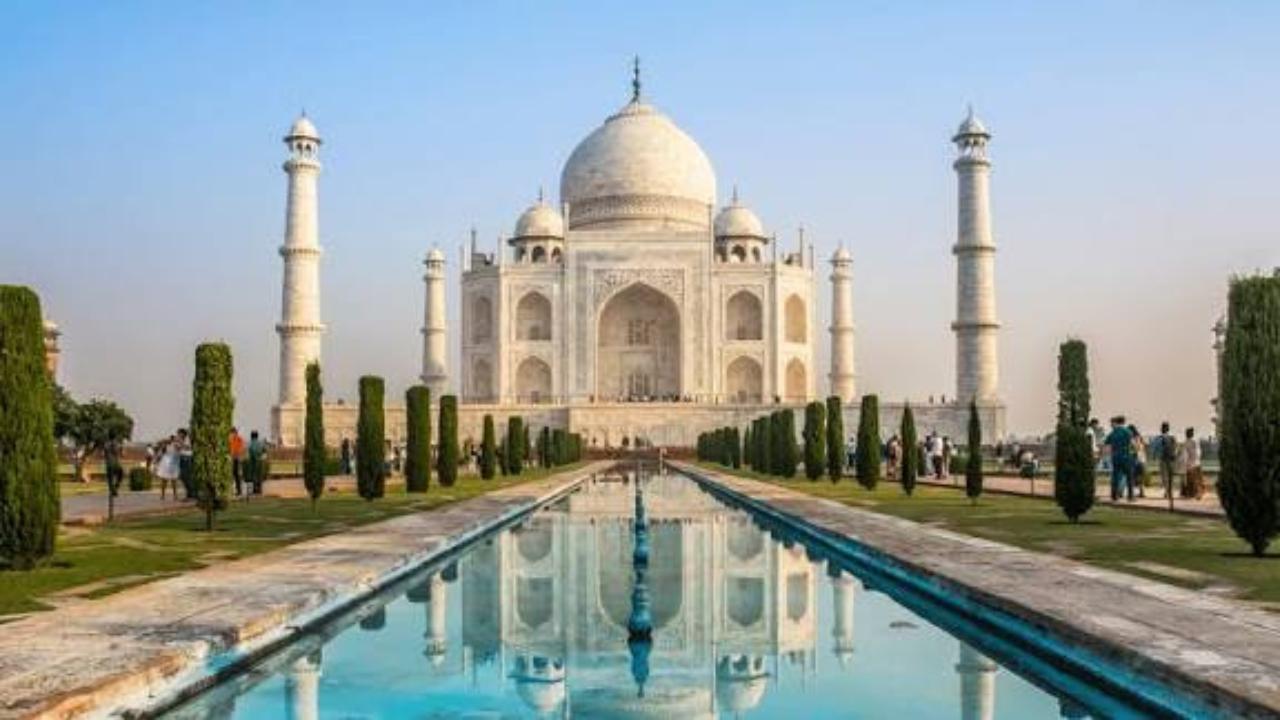
Centuries later, the Taj Mahal continues to stand proudly as the crown jewel of India. In 1983, it was declared a UNESCO World Heritage Site, recognized for its outstanding universal value. In 2007, it was voted as one of the New Seven Wonders of the World.
Each year, millions of tourists from every corner of the globe travel to Agra just to witness this marvel. Whether seen in the golden glow of sunrise or under the silver shimmer of moonlight, the Taj Mahal never fails to leave visitors spellbound.
🌿 Preserving a Legacy
Despite its majesty, the Taj Mahal faces several modern challenges. Air pollution, acid rain, and the drying of the Yamuna River have affected the marble’s pristine whiteness. Conservationists regularly clean the surface with a special multani mitti (Fuller’s Earth) paste to restore its shine. The Indian government has also established the Taj Trapezium Zone (TTZ) to protect the monument from industrial and vehicular pollution.
Preserving the Taj Mahal is not just about saving a monument — it’s about protecting a symbol of love and history for generations to come.
🧭 Visiting the Taj Mahal: A Lifetime Experience
If you’re planning to visit, here’s what you should know:
📍 Location: Agra, Uttar Pradesh, India
🕒 Timings: Sunrise to Sunset (Closed on Fridays)
🌤️ Best Time to Visit: Between October and March
🌕 Don’t Miss: The breathtaking night viewing on full moon nights — a sight that feels almost unreal.
Visiting the Taj Mahal is not just a journey through history — it’s an experience of serenity, romance, and artistic perfection all at once.