🌸 The Taj Mahal: An Eternal Symbol of Love and Architectural Brilliance
🕰️ A Glimpse into History
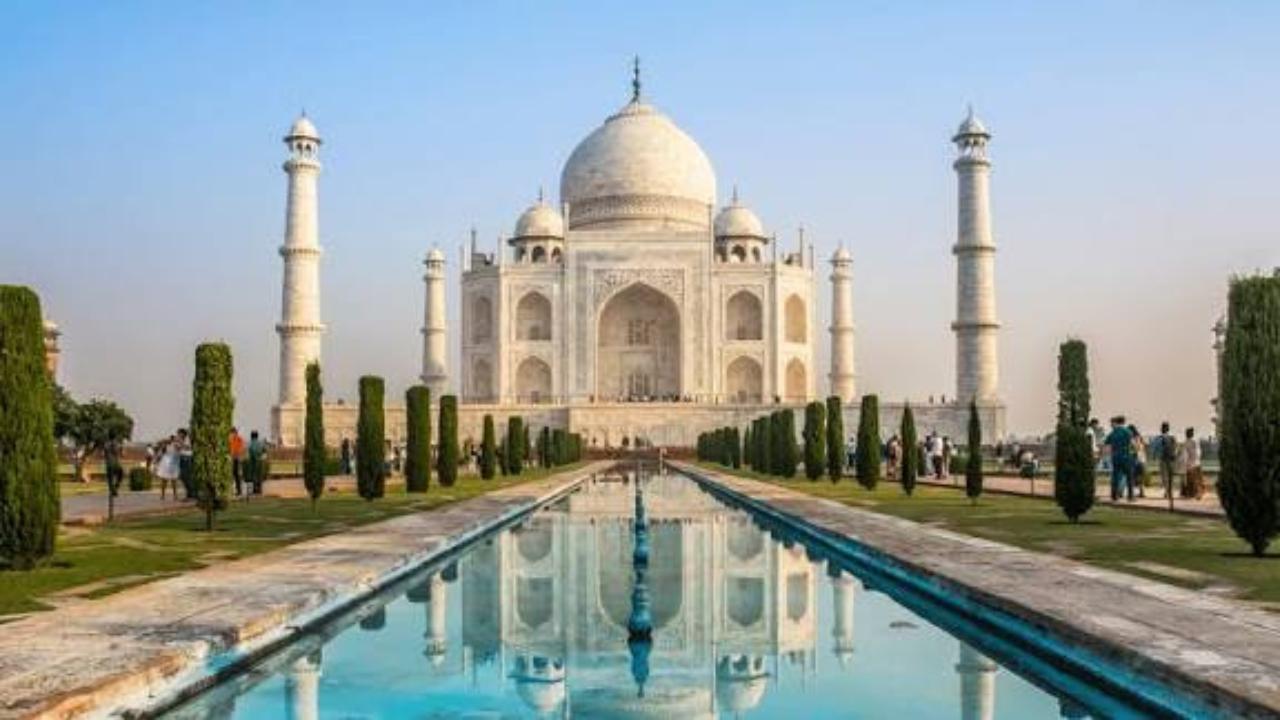
The Taj Mahal was commissioned in 1631 by the Mughal Emperor Shah Jahan in memory of his beloved wife, Mumtaz Mahal, who died during childbirth while accompanying him on a military campaign. Devastated by her death, Shah Jahan vowed to create a monument that would be as beautiful as his love for her — a “teardrop on the cheek of time,” as the poet Rabindranath Tagore later described it.
Construction began in 1632 and took nearly 22 years to complete, finishing around 1653. Over 20,000 artisans and craftsmen from India, Persia (modern-day Iran), the Ottoman Empire, and even Europe contributed to the masterpiece, under the supervision of the court architect Ustad Ahmad Lahauri.
🏛️ Architectural Splendor: A Blend of Art and Engineering
The Taj Mahal is often considered the finest example of Mughal architecture, a style that combines elements from Islamic, Persian, Ottoman Turkish, and Indian architectural traditions. The entire complex is perfectly symmetrical and meticulously designed to represent harmony and balance.
🕌 The Main Structure
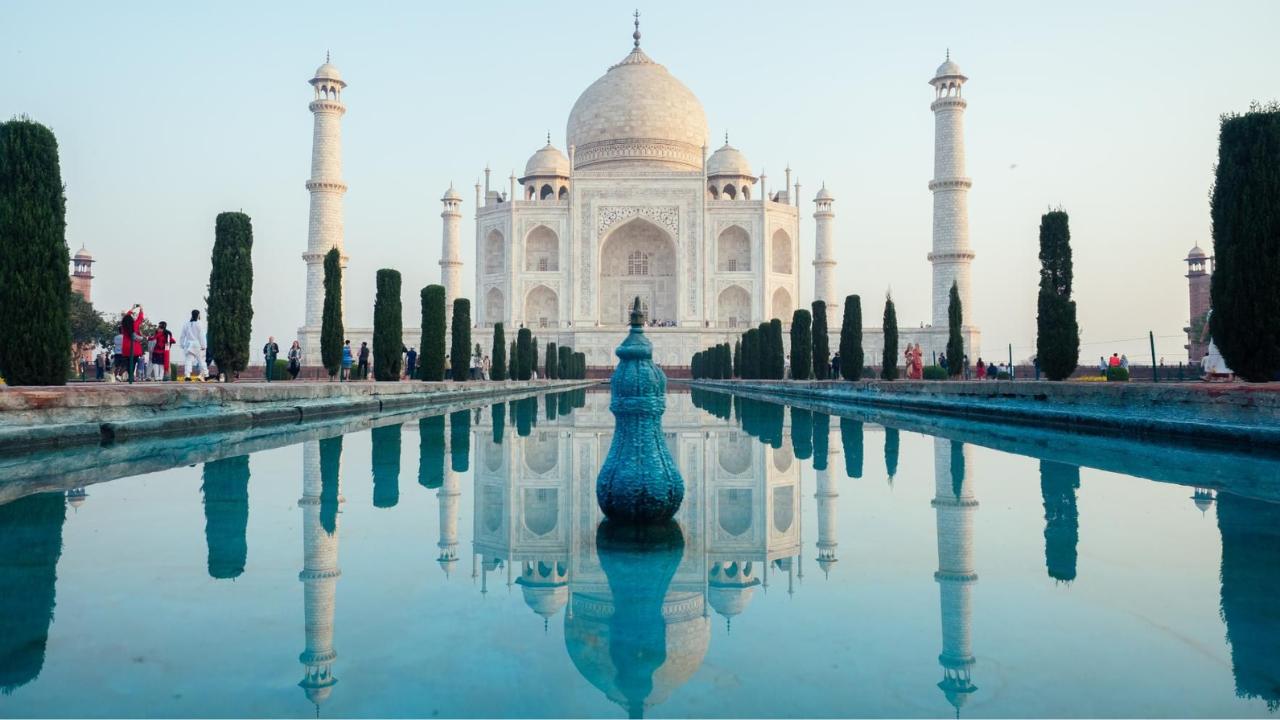
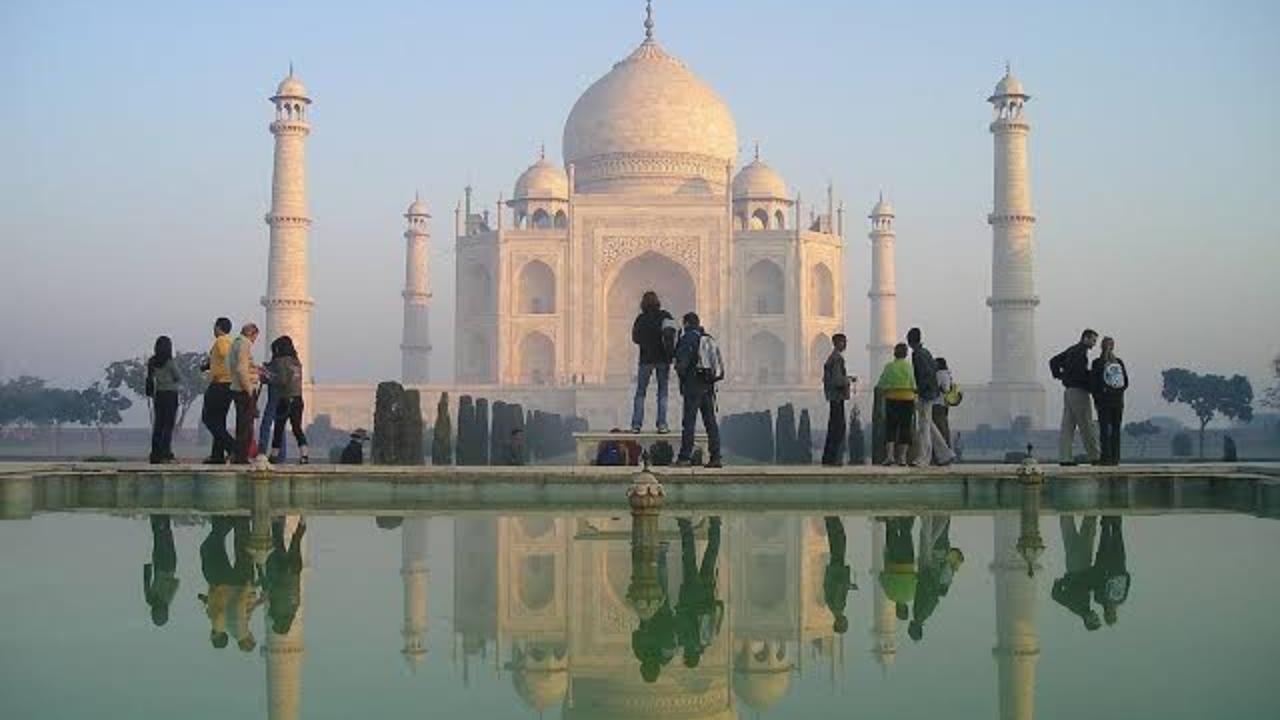
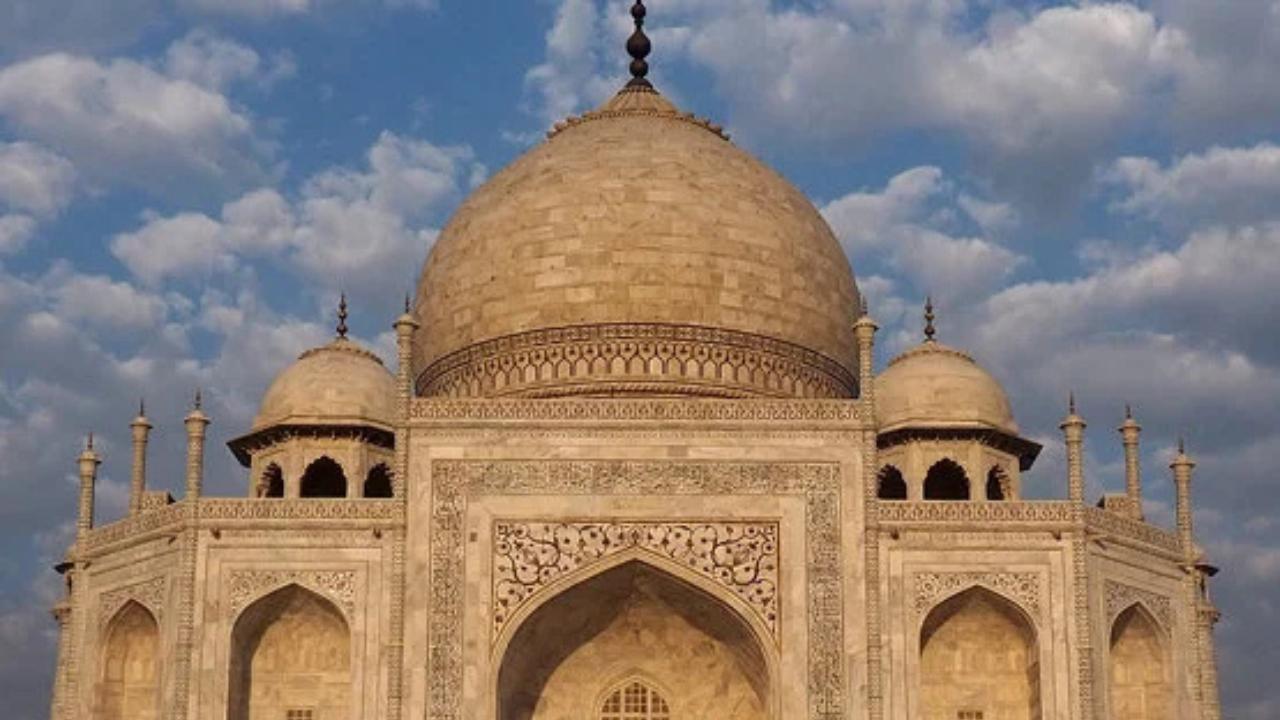
The central dome, which rises about 73 meters (240 feet) high, is made of white Makrana marble that changes color depending on the time of day — pinkish in the morning, milky white in the evening, and golden under moonlight.
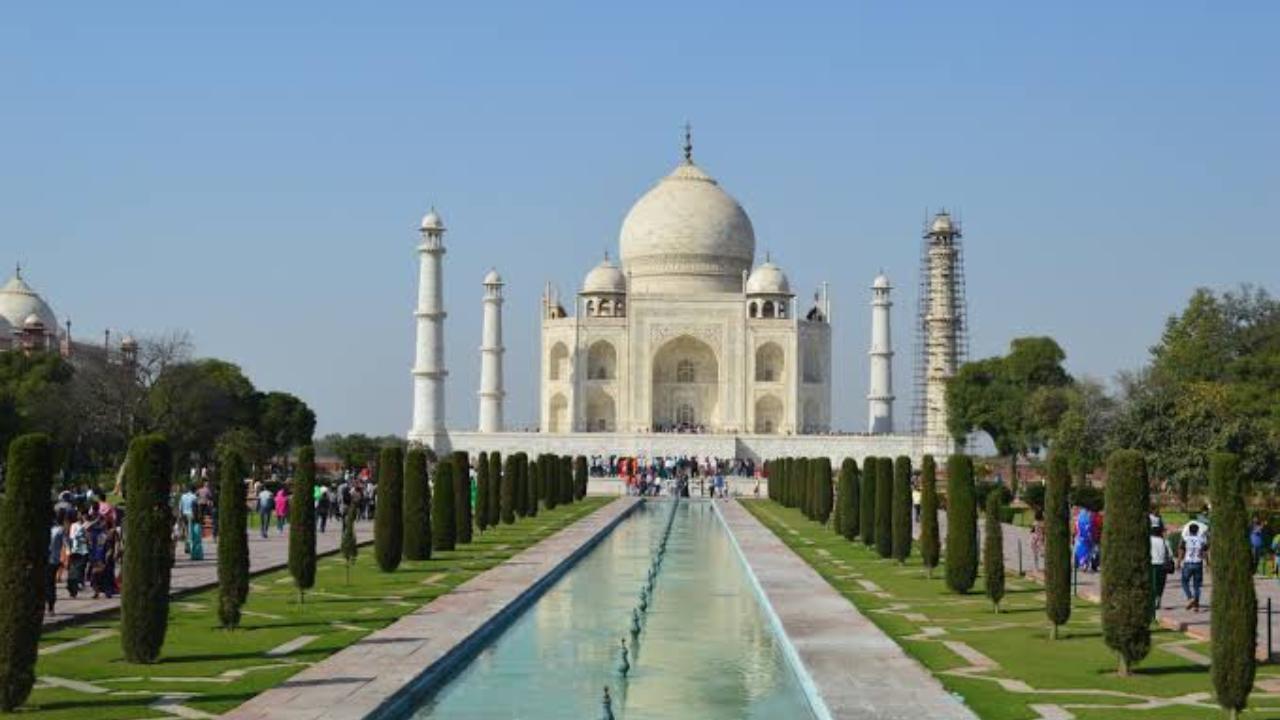
Four elegant minarets stand at each corner of the platform, slightly tilted outward to prevent them from collapsing onto the main tomb in case of an earthquake.
Inside the mausoleum lie the cenotaphs (false tombs) of Shah Jahan and Mumtaz Mahal, while their actual graves are in a lower crypt directly beneath.
🌿 The Gardens
The Taj Mahal is set within a vast Charbagh (four-part) garden, a Persian-style layout divided by water channels symbolizing the four rivers of paradise described in the Quran. The garden creates a serene and reflective ambiance that enhances the monument’s ethereal beauty.
🏠 The Complex
The entire Taj Mahal complex includes:
A mosque to the west (facing Mecca)
A guest house (Jawab) to the east, maintaining perfect symmetry
A grand gateway adorned with calligraphy of Quranic verses
Reflecting pools that mirror the mausoleum’s stunning facade
💎 Materials and Craftsmanship
The Taj Mahal’s allure lies in its exquisite detailing.
White marble was brought from Makrana in Rajasthan.
Precious and semi-precious stones such as jade, crystal, lapis lazuli, amethyst, turquoise, and onyx were inlaid into the marble using the technique known as pietra dura.
The intricate floral motifs and geometric patterns symbolize paradise and perfection.
Calligraphic inscriptions of verses from the Quran, crafted in black marble, adorn the entrances and walls — a stunning blend of art and spirituality.
❤️ The Love Story Behind the Monument
The Taj Mahal is often described as the world’s greatest monument to love. Mumtaz Mahal, originally named Arjumand Banu Begum, was Shah Jahan’s third wife and his closest companion. She accompanied him everywhere — from royal courts to battlefields — and was deeply involved in his life and governance. Her untimely death left the emperor heartbroken.
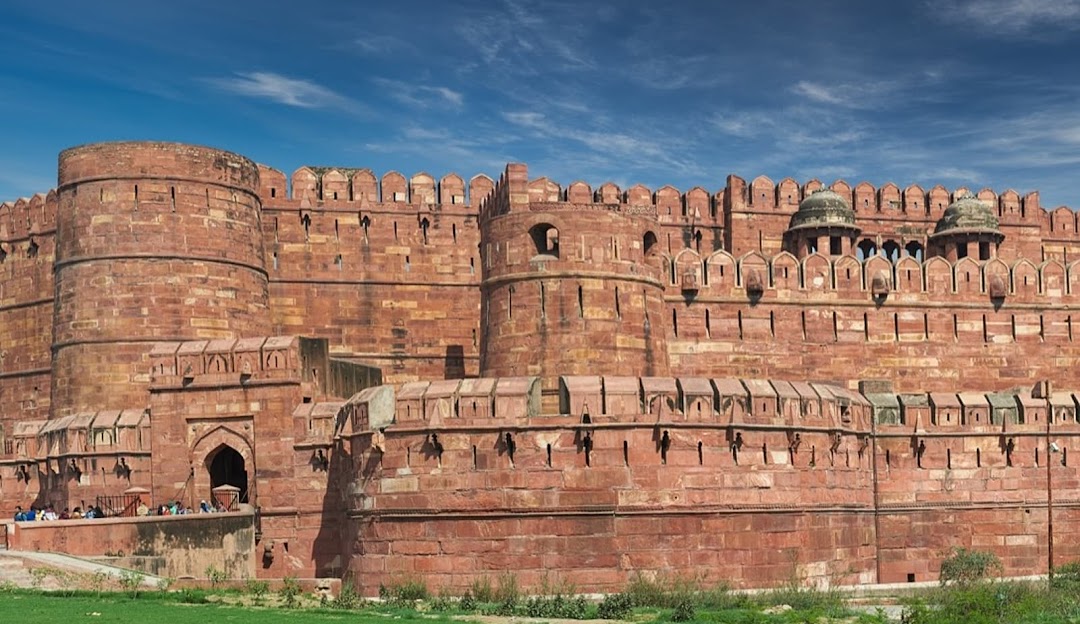
After the Taj Mahal’s completion, Shah Jahan spent his final years imprisoned by his son Aurangzeb in the Agra Fort, where he could gaze at the monument from his window — a poignant reminder of his lost love. Upon his death in 1666, he was buried beside Mumtaz, reuniting the lovers for eternity.
🌍 UNESCO World Heritage Site and Global Recognition
In 1983, the Taj Mahal was designated as a UNESCO World Heritage Site for being “the jewel of Muslim art in India and one of the universally admired masterpieces of the world’s heritage.”
It has since become one of the New Seven Wonders of the World (2007), symbolizing India’s rich cultural and historical legacy.
Today, it attracts over 7 million visitors annually, making it one of the most visited monuments globally. Despite environmental challenges and pollution concerns, efforts are continuously made to preserve its pristine white glow.
⚙️ Preservation and Environmental Challenges
Modern times have brought new challenges to this centuries-old marvel:
Air pollution from nearby industries and traffic has caused yellowing of the marble.
Tourism pressure contributes to wear and tear.
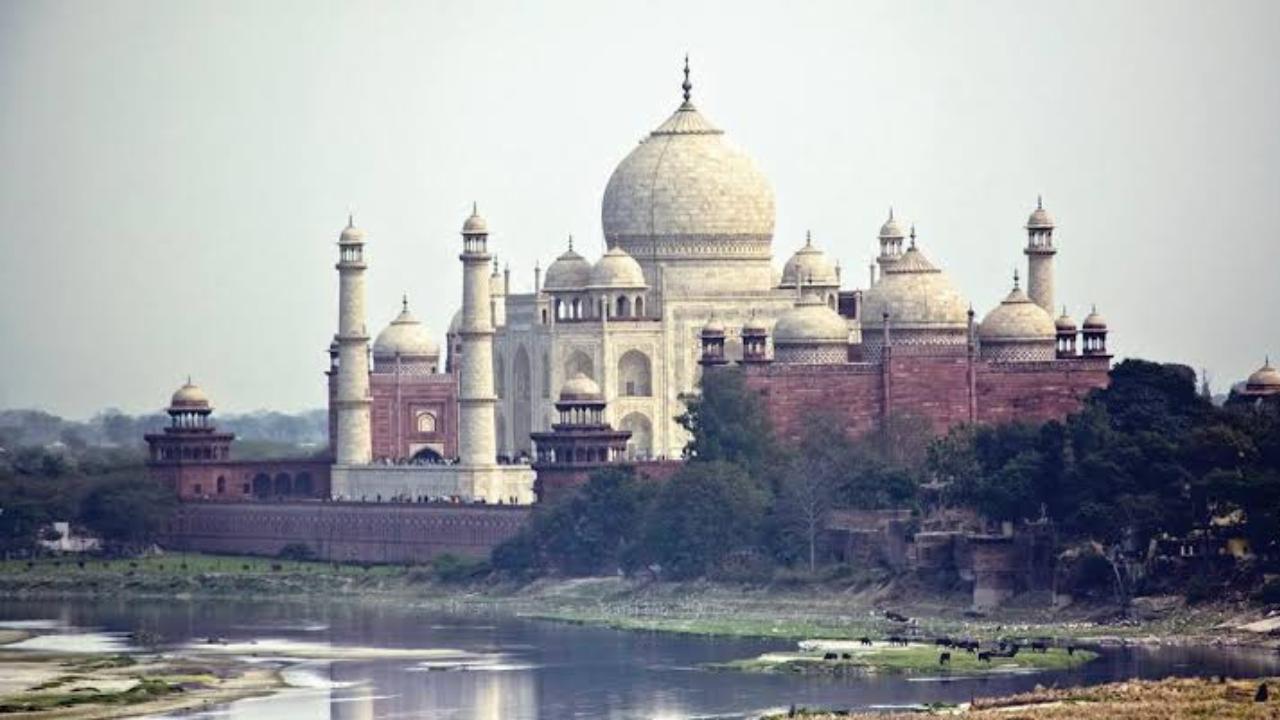
Yamuna River pollution and dropping water levels threaten the monument’s foundation.
To combat this, the Taj Trapezium Zone (TTZ) — a 10,400 sq km area around the monument — was established to control pollution. Regular cleaning with a special mud-pack treatment (Multani mitti) helps maintain the marble’s shine.
🧭 Visiting the Taj Mahal
Location: Agra, Uttar Pradesh, India
Visiting Hours: Sunrise to Sunset (Closed on Fridays for prayers)
Best Time to Visit: October to March — when the weather is pleasant and visibility is clear.
Tips for Visitors:
Arrive early to witness the sunrise glow on the marble.
Avoid bringing large bags or food items (security restrictions apply).
The night viewing experience, available five days a month around the full moon, is truly magical.
✨ Legacy and Cultural Impact
The Taj Mahal continues to inspire countless artists, filmmakers, writers, and lovers around the world. From poetry and paintings to Bollywood films and international documentaries, it remains a timeless muse. It is not just a tomb — it is a living symbol of love, devotion, and human artistry.
🌹 Conclusion
The Taj Mahal stands as a testament to the power of love and creativity. Built in grief, it has become a beacon of beauty, harmony, and eternal affection — a reminder that love can indeed create wonders that outlive time itself.
As you walk through its marble corridors and gaze upon its reflection in the tranquil pool, you don’t just see a monument — you feel a story carved in stone, whispered through centuries.