“A Day in the Shadows of Mehrangarh – Where History Breathes and Time Stands Still”
🚶 The Climb to Majesty
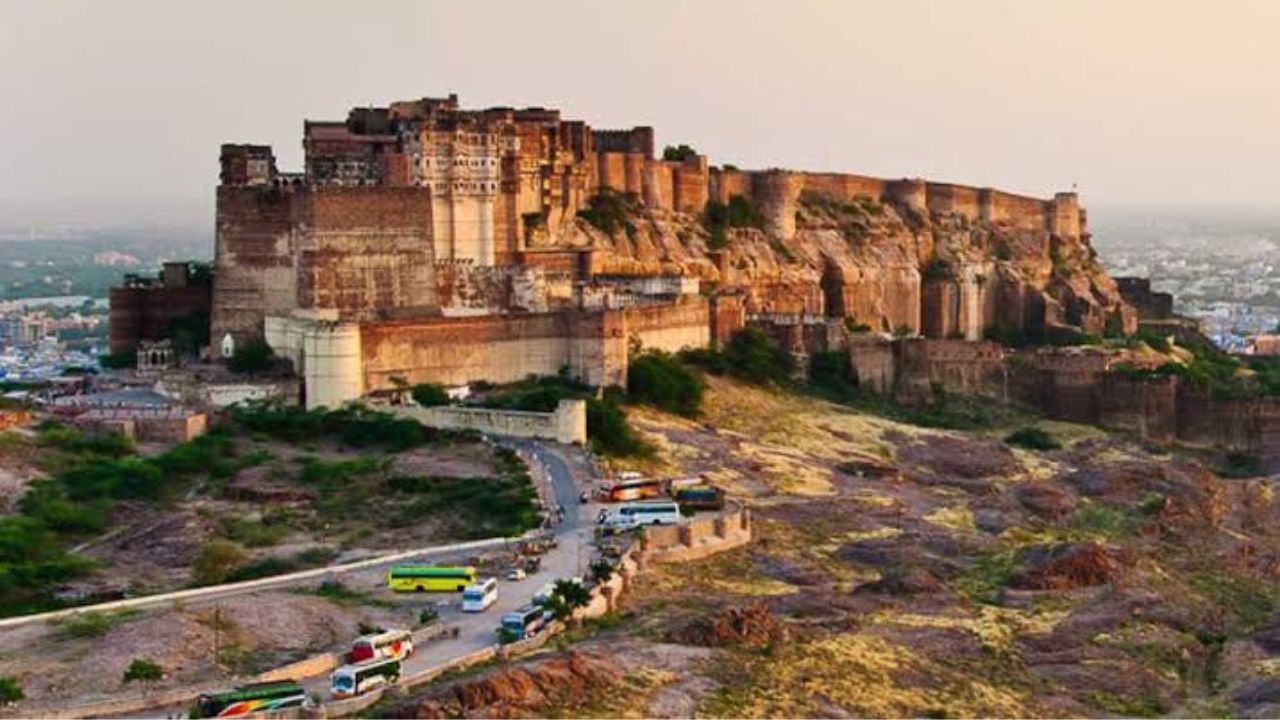
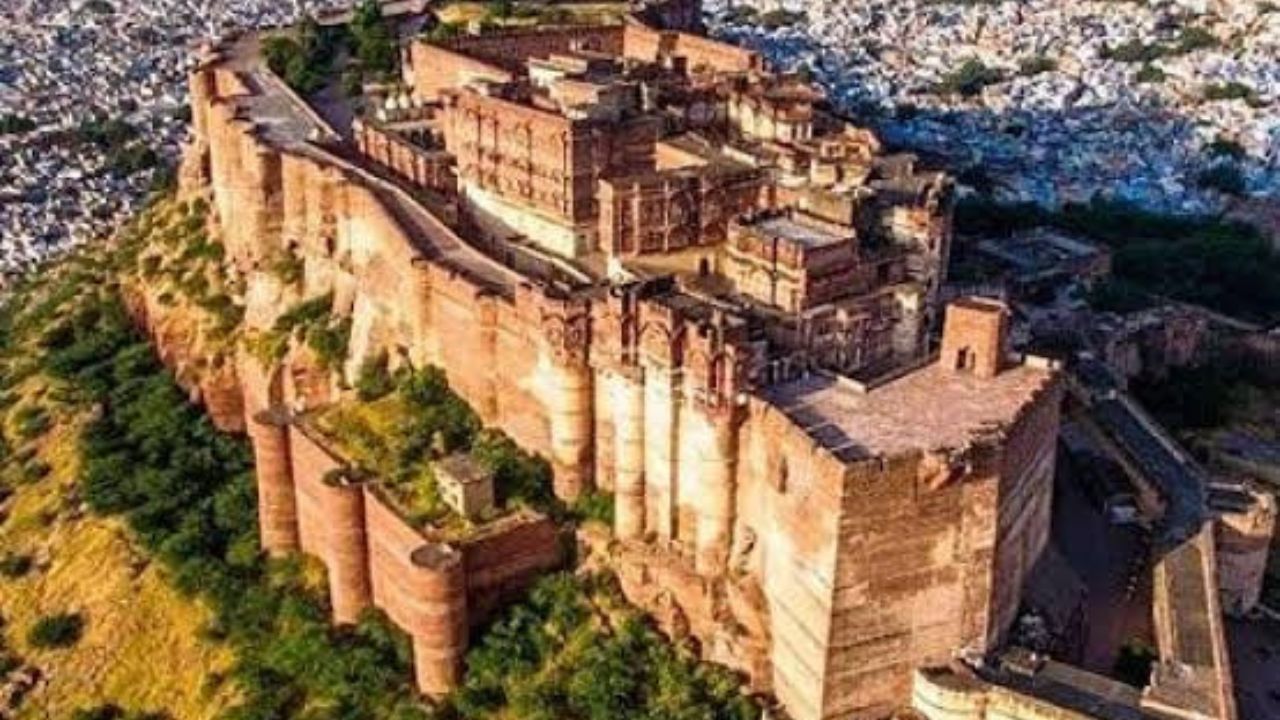
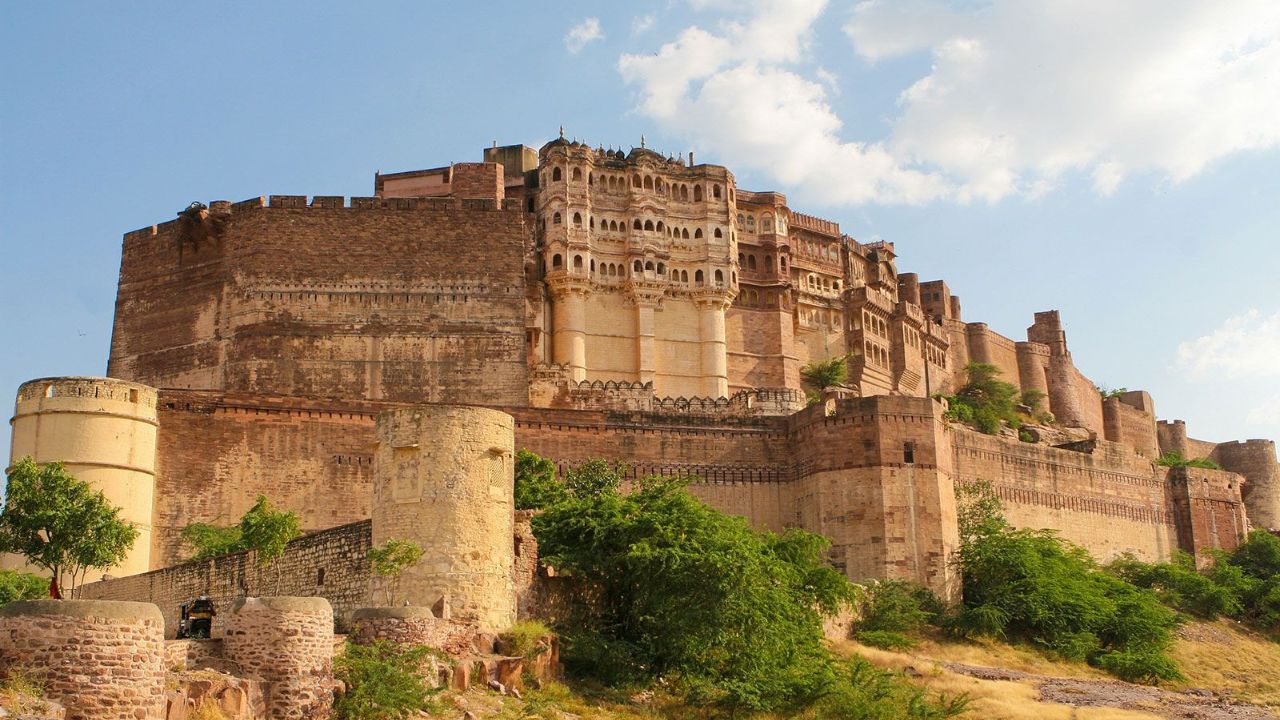
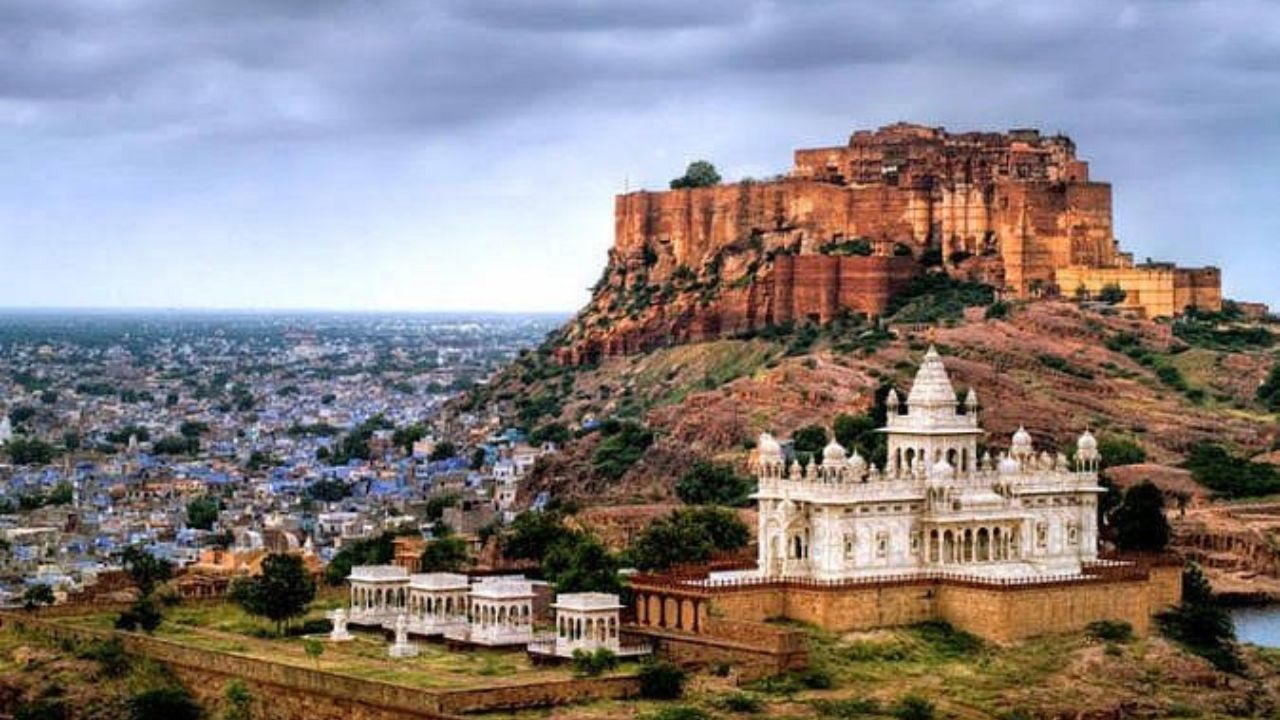
The morning began with the golden desert sun painting the sky. The winding road that leads to Mehrangarh is steep but scenic. On one side, I could see the city slowly waking up — smoke from morning chai stalls, distant temple bells, and that unmistakable Rajasthani rhythm of life. On the other, the fort’s colossal walls loomed above me, 120 feet high and seemingly endless.
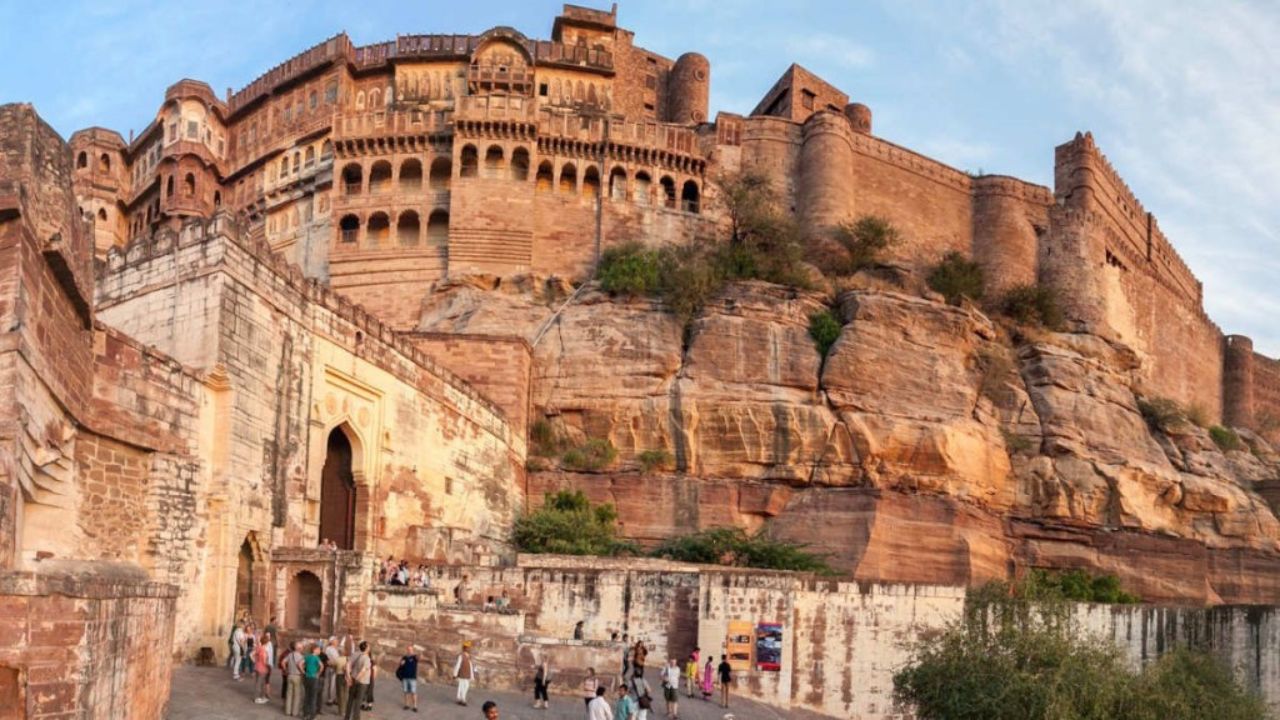
As I passed through Fateh Pol, Amrit Pol, and Loha Pol, I noticed cannonball dents from centuries-old battles still visible on the stone. It felt like walking through a living chronicle. The air itself carried whispers of soldiers, kings, and poets who once called this place home.
🏯 Inside the Fort — Where Art Meets Power
Inside Mehrangarh, time slows down. Every palace seems to hold its breath in beauty and grandeur.
In Takhat Vilas, vibrant murals of Radha-Krishna dance scenes cover the walls — Maharaja Takhat Singh’s personal touch of devotion.
In Phool Mahal, golden ceilings shimmer as sunlight filters through stained glass, reflecting patterns on the marble floors. You can almost hear the faint strains of music that once filled this room during royal celebrations.
The Moti Mahal, perhaps the grandest of all, showcases the famous Jodhpur throne — where justice was served and decisions that shaped Marwar’s destiny were made. Looking up at the intricate carvings and mirror inlays, I couldn’t help but feel awe for the artisans who built this legacy without modern tools.
🎭 Stories Beyond Stone
At the museum, an elderly guide shared a legend — of how Rao Jodha once prayed for divine strength to protect his kingdom and was blessed by the sun itself. The fort’s very name, Mehrangarh (“Fort of the Sun”), reminds every visitor of this divine lineage.
From royal swords and armor to elephant seats carved in silver, every object in the museum carries the aura of a bygone era. The display of miniature paintings depicting battles and festivals brings Rajasthan’s royal spirit to life in color and brushstroke.
🧵 The People and the Pulse
Beyond grandeur, it’s the people who make Mehrangarh unforgettable. Folk musicians sit in shaded courtyards, playing soulful tunes on the ravanhatta — their music echoing through stone corridors. Local women sell handcrafted jewelry and turbans, their bright attire adding splashes of color against the sandstone walls.
I paused at Café Mehran Terrace, sipping masala chai while overlooking the ocean of blue homes below. The wind carried the aroma of desert dust and marigolds — a scent you can never forget once it touches your heart.
🌅 When the Sun Bids Goodbye
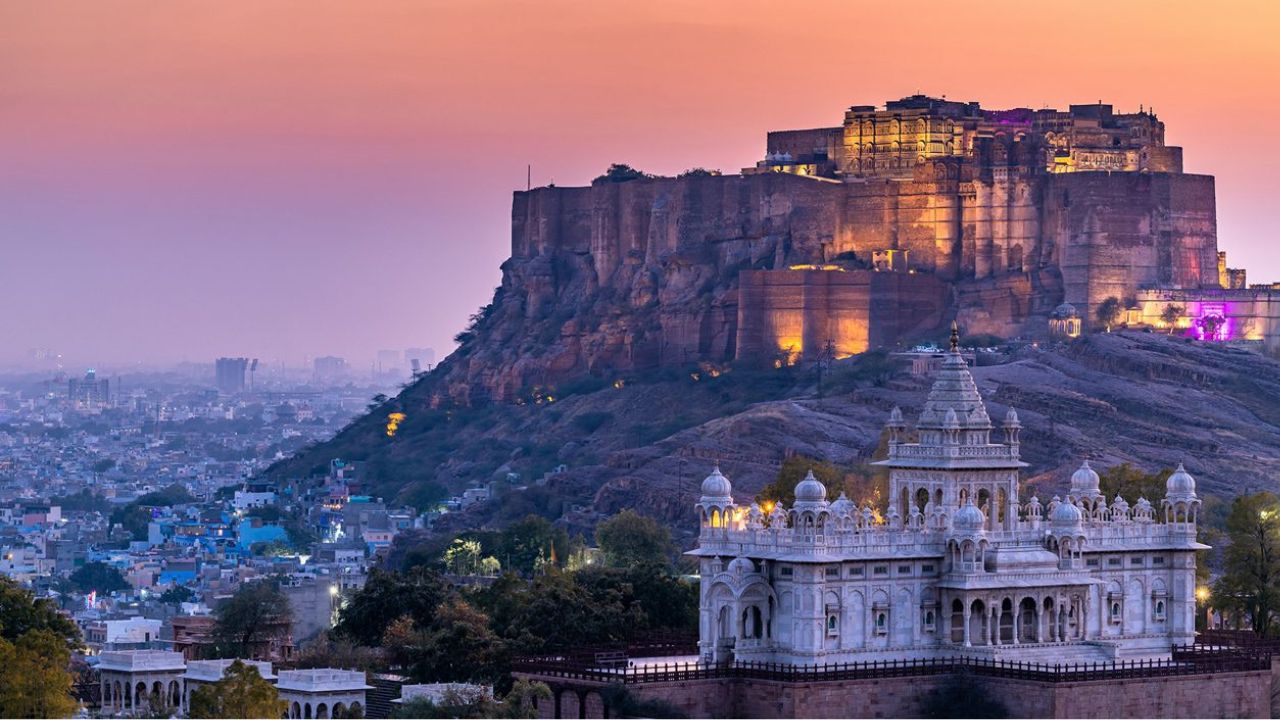
Evening at Mehrangarh is pure magic. The fort glows amber under the fading light, and the Blue City below slowly flickers with lamps. Watching the sunset from the ramparts, I felt an overwhelming sense of peace. Time seemed to pause — as if the fort itself was telling me, “I have seen centuries pass, and I still stand tall.”
🪶 Travel Essentials
Duration to Explore: 3–4 hours comfortably
Photography: Allowed (no flash inside museum halls)
Best Experience: Arrive early morning or around 4 PM for golden-hour photography
Tips:
Carry water and wear comfortable shoes — the pathways are steep.
Don’t miss the zip-lining adventure behind the fort for a stunning aerial view.
Combine your visit with Jaswant Thada, just a short walk away.
💖 Closing Reflection
As I descended the hill after sunset, the sound of a lone sarangi player echoed through the dusk. I turned back one last time — the fort, glowing softly in the twilight, seemed to watch over the city like a timeless guardian.
Mehrangarh isn’t merely a monument — it’s a living heartbeat of Rajasthan. It speaks in silence, shines in stone, and remembers everything.